
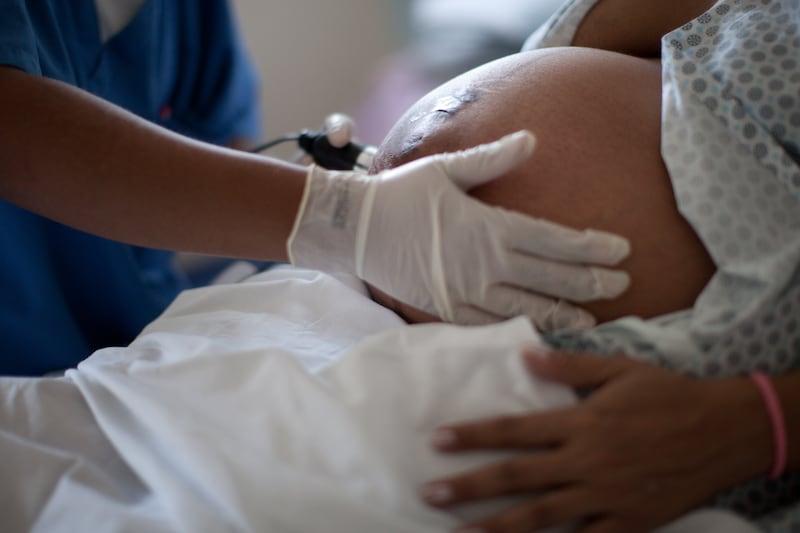
Over the last six-and-a-half decades, heat waves have morphed from intermittent irritations into globe-spanning events that can last months or even years – what Reuters calls “heat storms.” While these supersized heat waves affect virtually everyone, among the most vulnerable are pregnant women and fetuses.
Medical research has found that heat can correlate with weaker babies, sicker mothers, and more babies born prematurely. Reuters conducted its own analysis of more than eight million births in Mexico, finding that when hot-season heat storms or heatwaves hit during the last month of pregnancy, the rate of preterm births rises by as much as 18 per cent.
Here are the key findings of the Reuters investigation into how heat storms hurt the world’s pregnancies:
1. Heat storms have become a major global threat
Until now, there has been no universally accepted definition of a heat wave. So, in consultation with climate scientists, we developed our own.
By our definition, a heat wave is five consecutive days of heat in the top 10 per cent of the historical range for an area. We call the largest heat waves – those that cover at least one per cent of the globe at their peak, about half the size of Canada – heat storms.
By analyzing temperature data for every hour of every day since 1960, Reuters revealed that they are mushrooming in size and number. The 1960s saw just 50 heat storms – this decade, there have already been more than 665. The biggest drifted over nearly 85 per cent of the planet in its year-long lifespan, affecting virtually every person in the world.

2. Heat storms are especially risky for pregnant women
Recent research has tied heat waves to severe pregnancy complications. Spikes in heat are associated with higher odds of dangerous hypertension, infection, birth defects, miscarriage and stillbirth.
While there seem to be absolute temperatures at which heat becomes dangerous, researchers are particularly concerned about unusual heat: Every one degree C (1.8 degrees F) above what a woman is used to has been found to correlate with harm.
The clearest connection is with preterm birth, which can have severe lifelong health effects. Reuters analyzed millions of birth records from Mexico – which publishes detailed birth data – and found that as exposure to hot-season heat storms and heat waves increases in the last month of pregnancy, so too does the rate of preterm birth.

3. The threat from heat storms is global
Heat waves cause problems for pregnant women throughout the world and across vastly different climates.
In Mexico, for example, Reuters found that heat waves and heat storms are linked to increases in preterm birth among expectant mothers across states with searing deserts, humid jungles, and temperate mountain plateaus.
Scientific studies have identified heat-related complications among pregnant women from China and Australia to South Africa and the United States.
4. It’s unclear why heat causes harm - and what works best to protect against it
Because the science is still new, scientists are trying to determine how heat hurts pregnancies. Some suggest high temperatures prompt the body to redirect blood from the placenta to cool a mother or that heat increases the strain on a fetus’ heart, among other potential pathways.
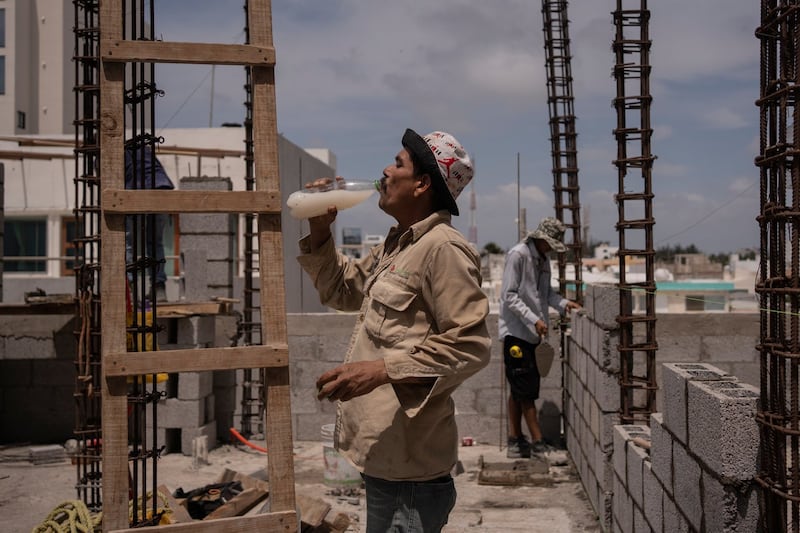
Researchers are now trying to answer those questions – and identify the best interventions to help expectant mothers. While we wait for clear answers, health workers from Johannesburg to Miami are stepping in with protections that range from wide-brimmed hats and white-painted roofs to air conditioning units.

5. ‘Everyone is at risk,’ an expert told Reuters. That included her, too.
One of the doctors studying the risk that heat waves pose to pregnant women is Darshnika Lakhoo, who co-wrote a 2024 review article synthesizing the science for Nature Medicine, one of the world’s leading medical journals.
While writing that paper, Lakhoo sweltered through her own heat wave-blistered pregnancy. She was carrying twins, which is its own risk factor for various complications, including preterm birth. But research shows that heat waves can amplify pre-existing conditions. Lakhoo suffered three severe pregnancy complications and eventually gave birth six weeks early.
“No one is going to be safe in a warming world,” said Lakhoo. “And especially not pregnant women.”

Reporting by Pete McKenzie in Sydney; additional reporting: Laura Gottesdiener in Mexico City; data by Maurice Tamman; Graphics by Adrián Blanco and Feilding Cage; photo editing by Corinne Perkins; visual editing by Feilding Cage; art direction by John Emerson; editing by Mark Schoofs and Claudia Parsons

