


With Democrats capturing control of both chambers of the U.S. Congress on Tuesday, the party will have new powers that will allow for more oversight and investigations into U.S. President Donald Trump’s Republican administration.
But there are legislative limits to those powers that could hinder efforts to reverse Trump’s tariffs and end the Iran war.
Tariffs
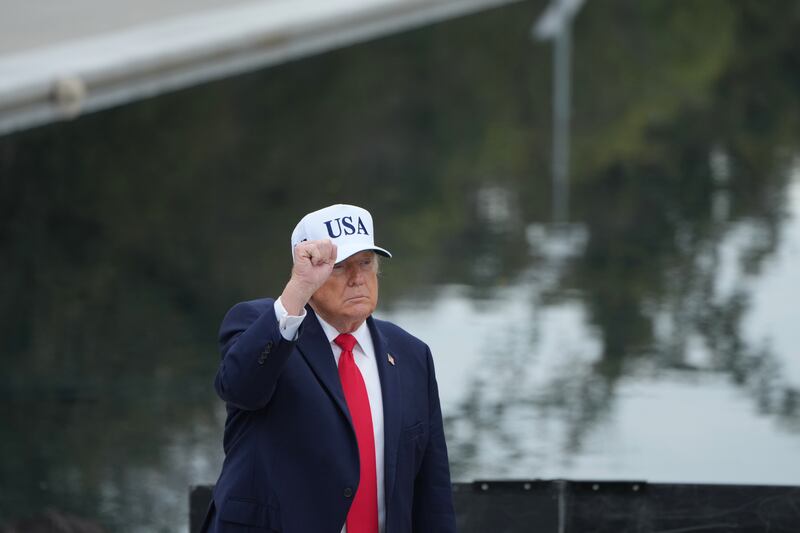
After Democrats take control of the U.S. House of Representatives and Senate in January, they could introduce legislation aimed at reining in Trump’s tariffs. Trump, however, retains presidential veto powers that can only be overridden with two-thirds support in both chambers of Congress.
Securing a two-thirds supermajority would require significant bipartisan support from the Democrat’s Republican rivals. While the Democrats have secured majorities in both chambers of Congress, those majorities are far from the 290 House votes and 67 Senate votes needed to override a presidential veto. Democrats would also need at least 60 votes in the Senate to override any Republican attempts at filibustering proposed legislation.
While that’s a steep hill for the Democrats to climb, CTV News political analyst Eric Ham notes that with voters frustrated by rising prices, several Republicans previously crossed party lines to support resolutions aimed at overturning tariffs on Canada.
“Democrats said, once they take back control of Congress, the first thing that they’re going to do is rescind all of the president’s tariffs, as well as trying to revoke many of his trade authorities,” Ham told CTV’s Your Morning on Wednesday. “I think we could see Republican lawmakers also work with Democrats to get things done.”

Iran war
Democrats face the same legislative hurdles if they want to force an end to the Iran war. Overcoming Trump’s veto power would still require a two-thirds majority and significant Republican support.
The newly elected representatives and senators also do not take office until Jan. 3, potentially giving Trump a free hand to continue escalating the conflict for another two months.
Once Democrats do take control of Congress in January, they could use their legislative powers to halt new funding for the conflict, but that would also require at least some Republican backing to override potential Senate filibustering or a presidential veto.
Blocking nominations
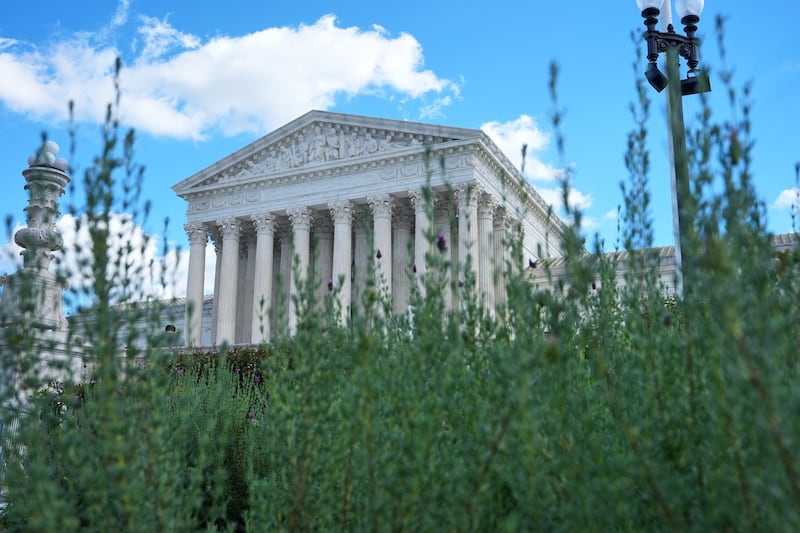
One of the Democrats’ most important new powers will be their ability to block or stall Trump’s nominees for top government posts. A Senate majority is needed to confirm executive posts such as cabinet officials, ambassadors, heads of government agencies and federal judges, including Supreme Court justices.
Democratic senators could also potentially leverage this power to gain concessions and compromises from the Trump administration. During former U.S. president Barack Obama’s second term, the Republican-controlled Senate notably used these powers to block Obama’s Supreme Court nominee.
Oversight and investigations
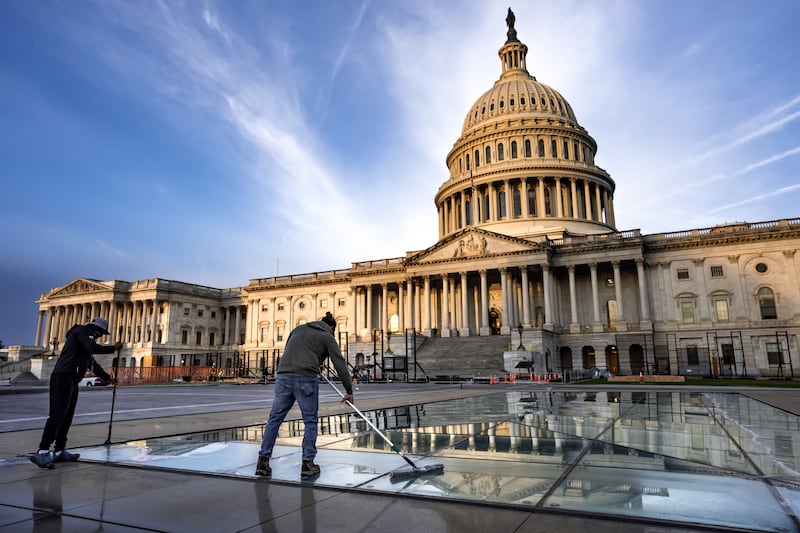
With control of Congress, the Democrats will also control congressional committees that have the power to launch investigations, demand documents, subpoena witnesses and hold public hearings – all without White House approval. Potential targets for congressional investigations could include the Trump family’s business dealings, the Iran war, funding of Trump’s White House ballroom project and the handling of the Jeffrey Epstein scandal.
Such investigations could expose wrongdoing and provide more oversight and scrutiny of the Trump administration. But if Democrats uncover any potential criminal activity, it would still be up to the Trump-controlled U.S. Department of Justice to press charges. Trump administration officials could also refuse to comply with congressional investigations, setting the stage for potentially lengthy legal battles.
With files from CNN, AFP and The Associated Press

