The death toll from airstrikes near Yemen’s capital has increased to 44, most of them women and children, health authorities from the Iran-backed Houthi rebels said overnight. Separately, Iran’s foreign ministry on Monday dismissed comments by U.S. Secretary of State Marco Rubio that Iranian demands for ending the war have been “ridiculous.”
Here is the latest news from the Middle East on Monday. Read our full coverage here.
Houthis say death toll from airstrikes increases to 44
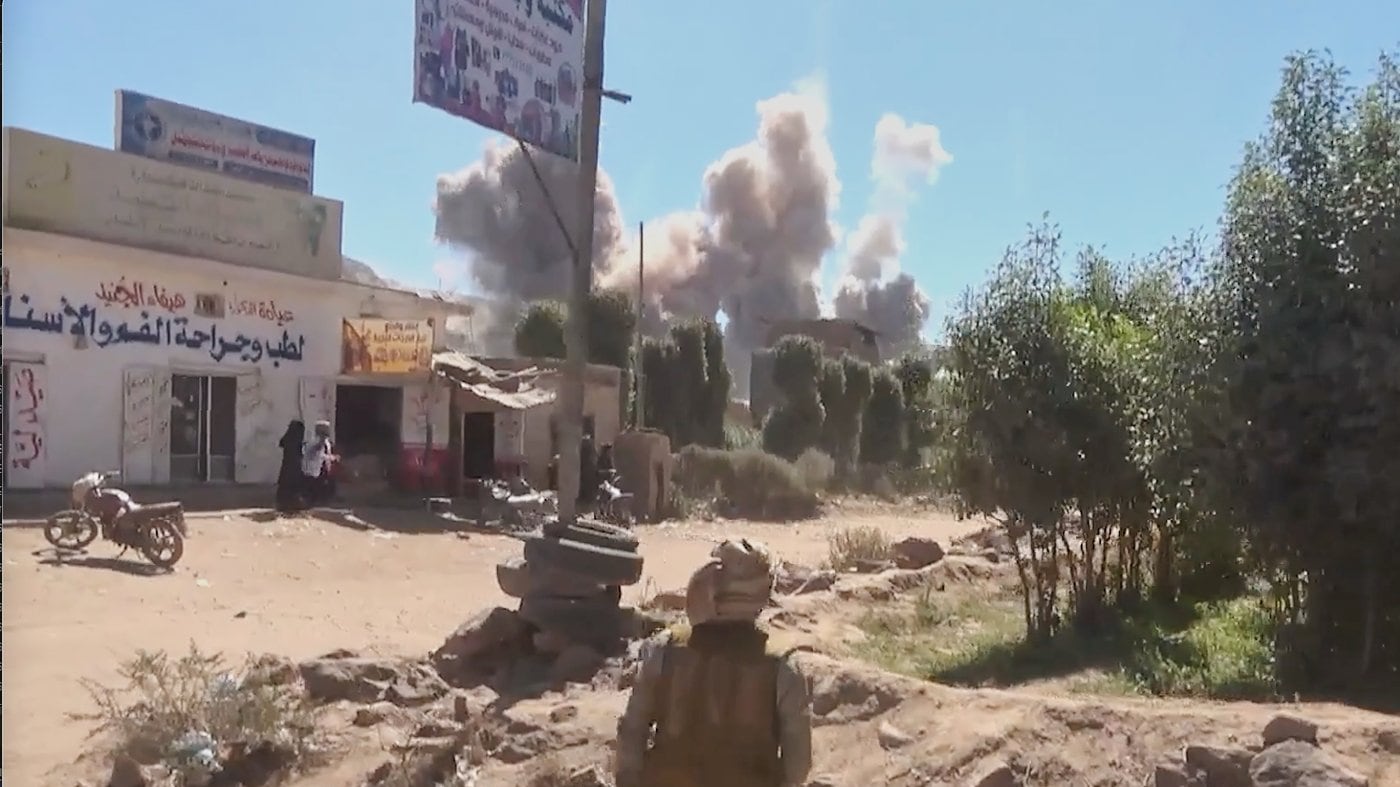
The death toll from airstrikes that hit homes near Yemen’s capital, Sanaa, on Saturday has increased to 44, most of them women and children, Houthi health authorities said late Sunday.
The strikes on the village of al-Shariya, east of Sanaa, wounded 40 others, including eight children and nine women, said Anees al-Asbahi, spokesperson for the Houthi-run Health Ministry. The dead included 21 children and 10 women, he said, making the strikes one of the deadliest attacks in the latest bout of violence in Yemen’s year-long civil war.
Al-Asbahi said rescue teams were still searching the area for missing people, raising fears that the death toll could rise.
He blamed Saudi Arabia for the strikes, which came amid a major escalation in fighting between the Iran-backed rebels and the kingdom that has killed hundreds of people in Yemen and dozens in Saudi Arabia.
Iran’s foreign ministry dismisses Rubio comments
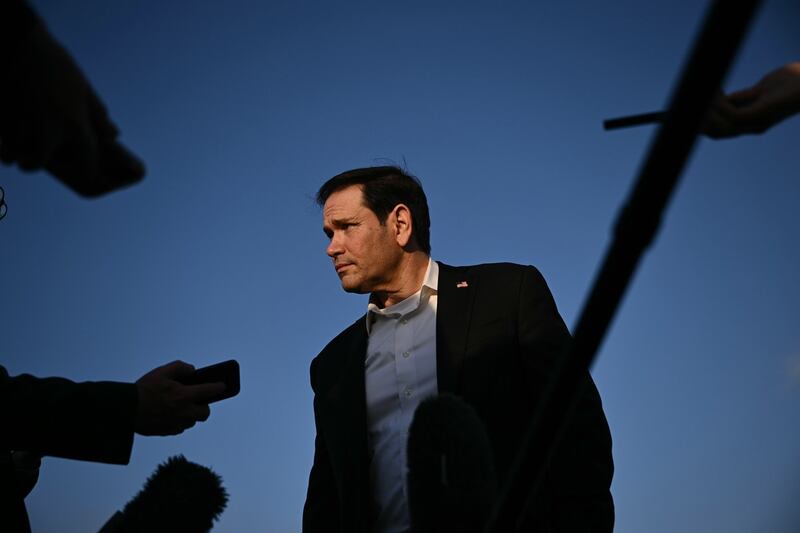
Iran’s foreign ministry on Monday dismissed remarks by U.S. Secretary of State Marco Rubio, who said Sunday that Iranian demands for ending the war had sometimes been “outrageous and ridiculous.”
At a briefing, foreign ministry spokesperson Esmail Baghaei told reporters that U.S. strikes during talks in June 2025 and February this year had been “illogical and ridiculous.” He described the war as a “criminal” act.
Baghaei said none of Iran’s demands were illogical or ridiculous. They include an end to the U.S. blockade of Iran’s ports, the lifting of sanctions, the unfreezing of Iranian assets, compensation for war damage and an end to hostilities throughout the region, including Israeli operations in Lebanon.
On Sunday, Rubio said President Donald Trump prefers a diplomatic solution, but “right now, it hasn’t been very productive because the Iranian demands are simply not just unacceptable, but in some cases outrageous and ridiculous and really not realistic.”
Trump told CNN in a phone interview Sunday that as long as the U.S. sees progress in negotiations with Tehran and the two sides sign a “strong agreement,” it is “highly unlikely it’s going to be necessary” to resume strikes.
Baghaei said Iran’s proposal to end hostilities by lifting sanctions and reopening the strategic Strait of Hormuz remains “on the table.” Last week, he said Iran had shortened the timetable for implementing its seven-step plan to reopen the strait and resume nuclear talks with the U.S. from seven days to two.
Trump to meet Qatari prime minister
Trump is scheduled to meet Qatari Prime Minister Sheikh Mohammed bin Abdulrahman Al Thani at the White House on Monday, according to his official schedule.
Qatar has helped mediate efforts to end the war between the U.S. and Iran.
Turkiye’s leader speaks out against fresh attacks on Iran
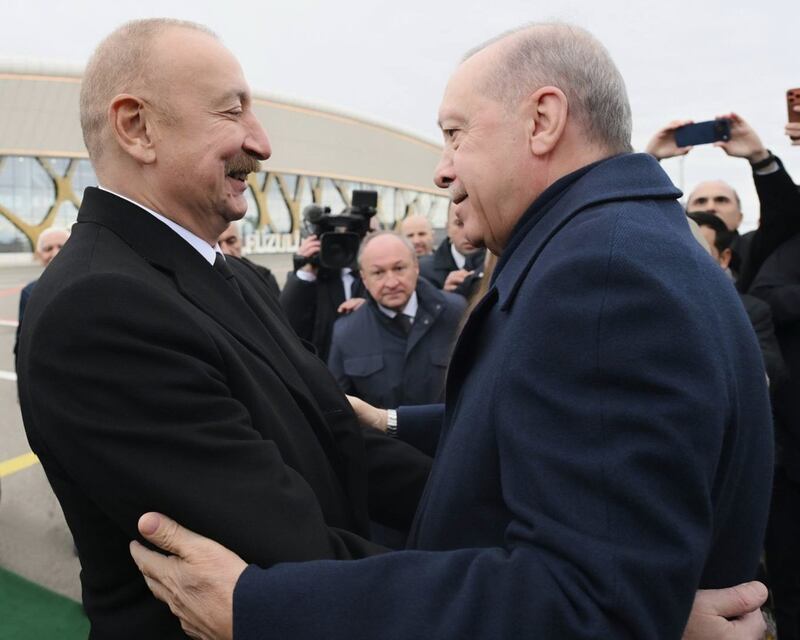
Turkish President Recep Tayyip Erdogan told journalists on a return flight from Azerbaijan late Sunday that he had discussed his concerns with Trump.
“We do not want a new wave of attacks to be launched against Iran, nor do we wish to see our region dragged into further instability,” he said. “Unfortunately, we are now seeing a shift in a negative direction. We are doing everything in our power to prevent this.”
Iraqi prime minister delivered message from Trump to Iran
Iraqi Prime Minister Ali al-Zaidi traveled to Iran on Saturday to deliver a message from Trump regarding efforts to contain tensions and prevent the region from sliding into war, two Iraqi officials with knowledge of the trip said.
They spoke on condition of anonymity because they were not authorized to comment publicly.
The Iraqi officials said that Iran remained firm in its position and insisted it would make no concessions in the negotiations.
-- Qassim Abdul-Zahra in Baghdad

