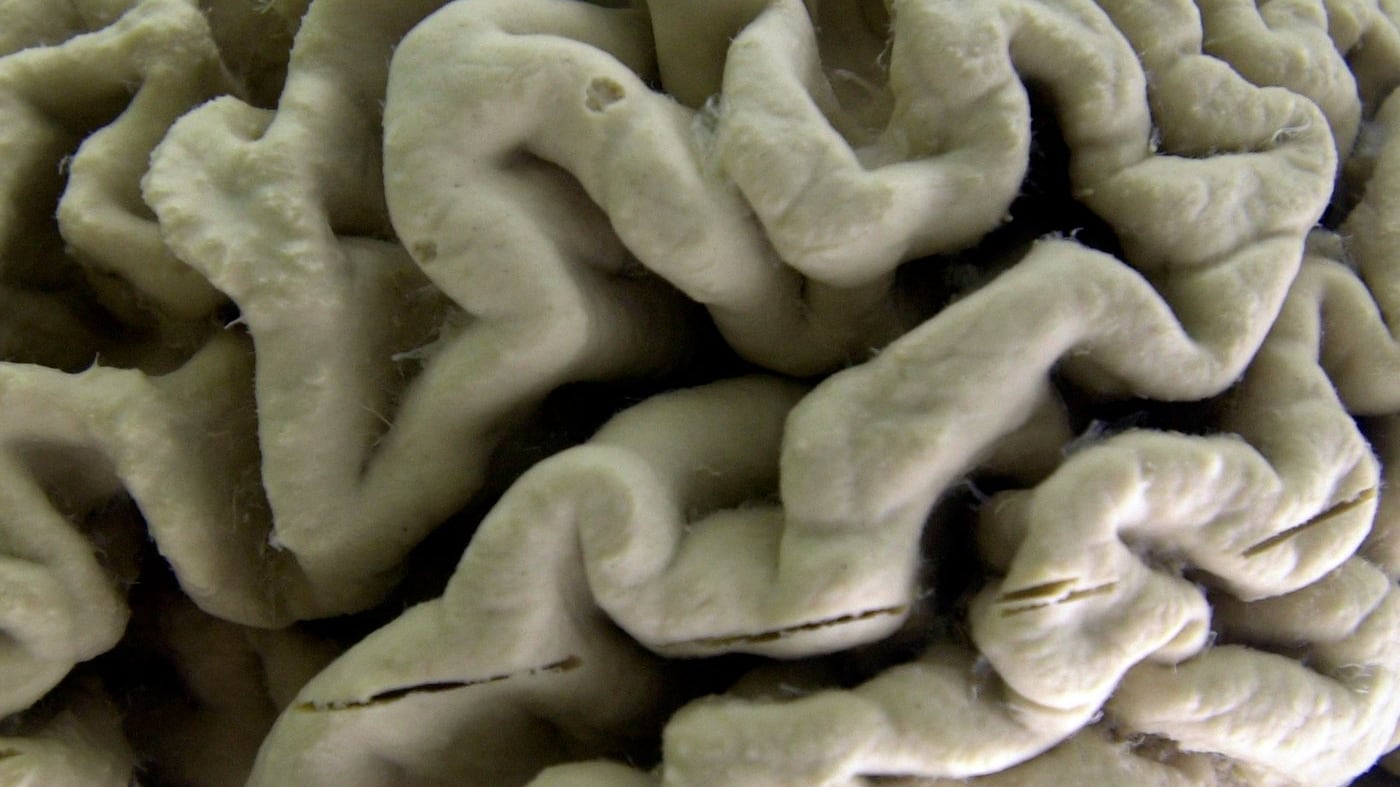
A new blood test helps show the extent to which Alzheimer’s disease has progressed in the brain, researchers reported in Boston at the Clinical Trials on Alzheimer’s Disease conference.
The test from Alamar Biosciences measures levels of a biomarker called eMTBR-tau that reflects the extent to which twisty tangles of tau protein have accumulated in brain cells.
Currently available blood tests for Alzheimer’s disease measure proteins such as beta-amyloid and phosphorylated tau that rise early in the disease process but give only limited information about tau tangle buildup in later stages. Two Alzheimer’s drugs on the market are designed to reduce beta-amyloid plaques in the brain, but there are several drugs in development targeting tau.
“One of the most challenging tasks in Alzheimer’s disease diagnosis is to establish in a patient with cognitive impairment that Alzheimer’s pathology is not just present, but that is present in a sufficiently advanced biological stage to be a likely explanation for symptoms,” study leader Dr. Niklas Mattsson-Carlgren of Lund University in Sweden said in a statement.
The new blood test is not yet available for clinical use and is not meant to diagnose Alzheimer’s disease on its own, the researchers said in a report of the study published in JAMA.
“Having a simple yet highly scalable way to determine the extent of tau tangle buildup in the brain represents a major step forward in our understanding of Alzheimer’s,” study co-leader Nicholas Ashton of Banner Sun Health Research Institute in Sun City, Arizona, said in a statement.
Together, existing blood tests and the new test for eMTBR-tau could help doctors make better treatment decisions and identify the right patients for clinical trials, Ashton said.

