HAVANA — The World Health Organization’s top official is visiting Cuba as the island’s health-care system is crumbling under a spiralling economic crisis and worsening power outages.
WHO Director-General Tedros Adhanom Ghebreyesus toured a darkened pediatric cardiology center on Monday with Cuban Public Health Minister Dr. José Ángel Portal Miranda and others.
Tedros arrived Sunday at the invitation of health authorities in the Caribbean nation for a three-day visit.
Portal Miranda welcomed Tedros, saying it was an opportunity for him to see firsthand the reality of the Cuban health-care system and the challenges that it faces.
Tedros expressed his willingness to listen and understand Cuba’s situation and identify ways to provide support, according to state media newspaper Granma.
“I want to use this visit to better understand the challenges you face and would be happy to mobilize the international community to support you,” he was quoted as saying.
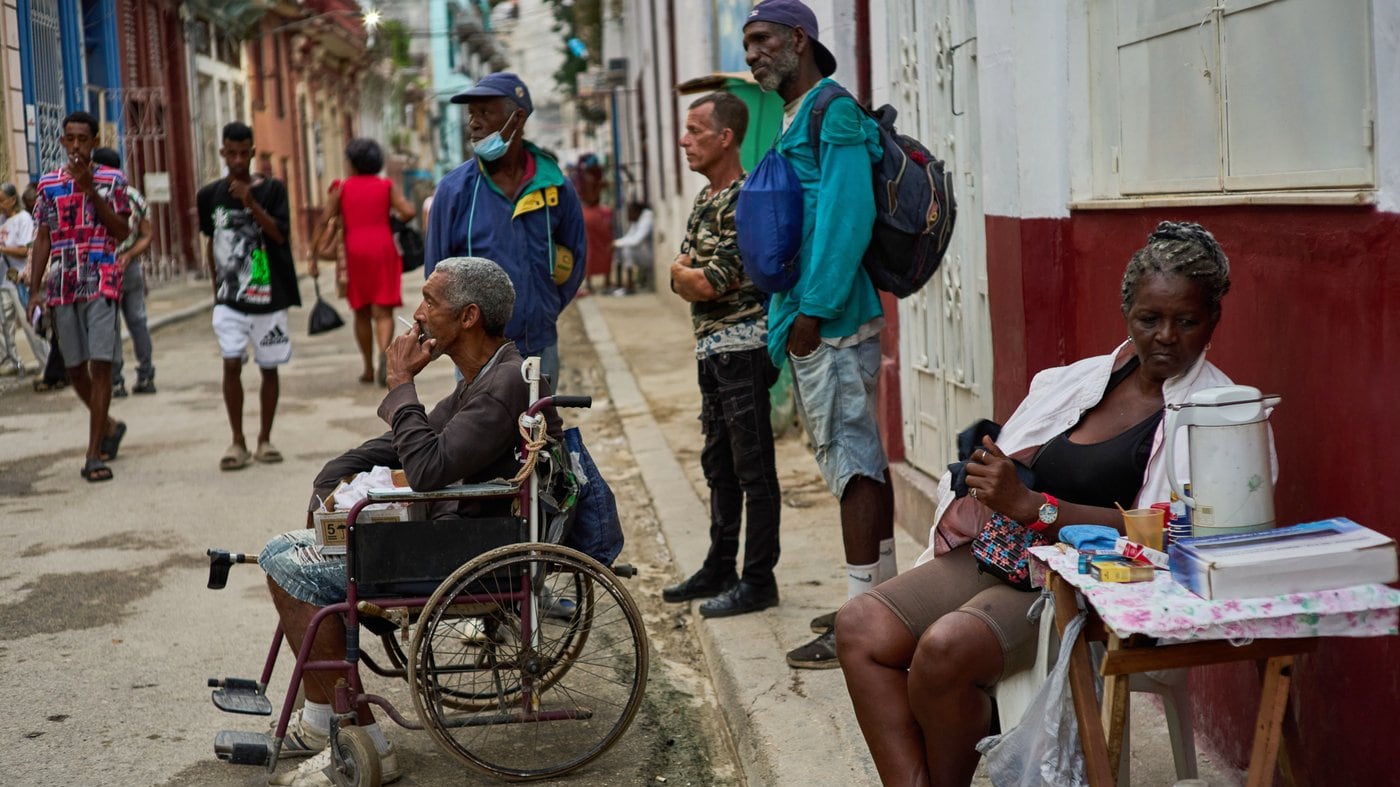
Cuba’s once-vaunted system of free universal health care has deteriorated sharply. Analysts say the crisis has been compounded by fuel shortages that they blame on tightened U.S. sanctions on the island’s energy sector, worsening an economy that already had been limping for years.
Hospitals across Cuba face shortages of supplies including syringes, gauze, vaccines and anesthetics. They also lack spare parts to repair equipment such as hemodialysis and CT scan machines.
The situation is shocking, said Mario Cruz Peñate, the Pan American Health Organization and World Health Organization representative on the island. That’s especially so because Cuba has long enjoyed health indicators comparable to those of developed nations including low mortality, high life expectancy, broad vaccination coverage and widespread prenatal care.
A government report released in June stated that the survival rate for children with cancer had fallen to 65 per cent from 85 per cent before the energy blockade began in January.
As part of the visit, Tedros is scheduled to visit health and biotechnology institutions, meet with health sector officials, and talk with reporters.
Tedros’ visit marks the second time that he has visited Cuba as WHO director-general.
Cristiana Mesquita, The Associated Press

