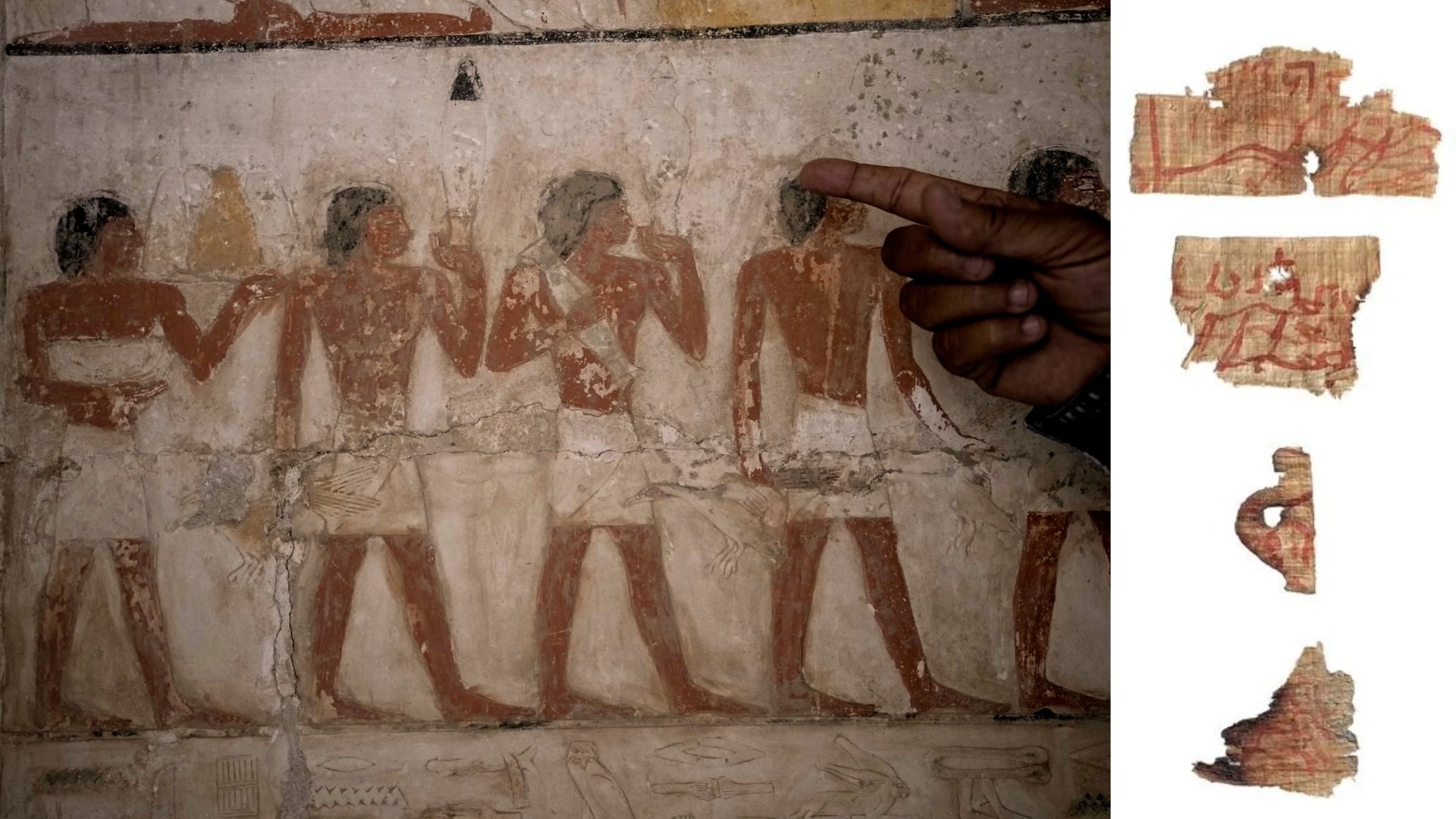
A surprising new discovery suggests curse rituals in ancient Egypt were more common than previously believed.
A peer-reviewed study by researchers at the University of Copenhagen explains how dozens of 3,000-year-old papyrus fragments show signs of mass production, revealing how a particular ritual was likely widespread.
The discovery
Forty charred pieces of papyrus uncovered in a rubbish pile in the ancient city of Thebes are an example of how one civilization’s trash is another one’s remarkable archaeological discovery.
During excavations at an ancient temple, Egyptologist Fredrik Hagen and his team discovered fragments of the paper-like material in a rubbish deposit - essentially a community trash heap. According to the study, those charred fragments turned out to be copies of drawings and texts that were burnt during the ritual.
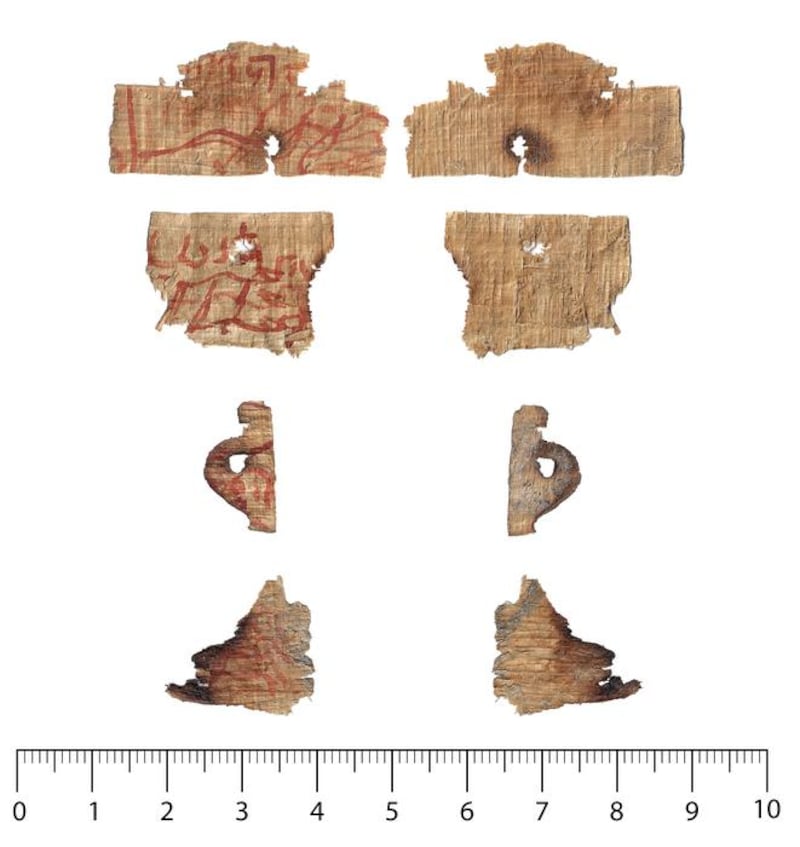
The discovery is exceptionally rare, according to Hagen. “The reason physical remains of this ritual have never been found before is probably also that few people have paid much attention to such rather unglamorous rubbish dumps.”
The ritual
The texts and drawings on the pieces of papyrus helped perform the “Apophis ritual.”
Apophis was the serpent of chaos who would attack the sun god “Ra” on his nightly journey through the underworld. The curse would help Ra fight off Apophis. Of course, if the curse could help Ra and hinder Apophis, it could also help and hinder others, according to the study. The paper says the “Apophis ritual” was performed to treat illness, ward off bad weather and secure personal success. It was also meant to impose the opposite effect on an enemy.
Researchers say people would perform the ritual by drawing the snake and writing its name in red ink, then piercing or burning the papyrus while speaking magic spells.
The revelation that these pieces of papyrus were mass-produced suggests many people were performing the ritual.
Earliest evidence
The discovery doesn’t only show the practice was more common than previously thought, but also older.
The study explains that the postage-stamp-sized fragments found by Hagen and his team are about 3,400 years old. That’s about 1,000 years older than previously known.
A fortunate discovery
Hagen says one reason the discovery is so rare is that if the ritual was done correctly, there should be little trace of physical evidence.
“The papyrus drawing was often completely destroyed during the ritual, when it was trampled on, spit on, pierced with a knife and ultimately burned,” he continues, “for the ritual to be successful, the materials had to be destroyed by fire, so we are extremely fortunate to have found any of them in a condition that still allows them to be recognised and studied.”

