BANGKOK — The leader of the Myanmar military-backed government said it will refuse to comply with some aspects of a landmark international court ruling that found the country responsible for genocide against the Rohingya minority.
President Min Aung Hlaing told a Cabinet meeting that his government would act accordingly but would reject measures it considered “inappropriate,” the state-run Global New Light of Myanmar newspaper reported on Thursday.
The president on Wednesday described the case as a “one-sided accusation” against the country, and said the use of the term “genocide” had seriously damaged Myanmar’s reputation.
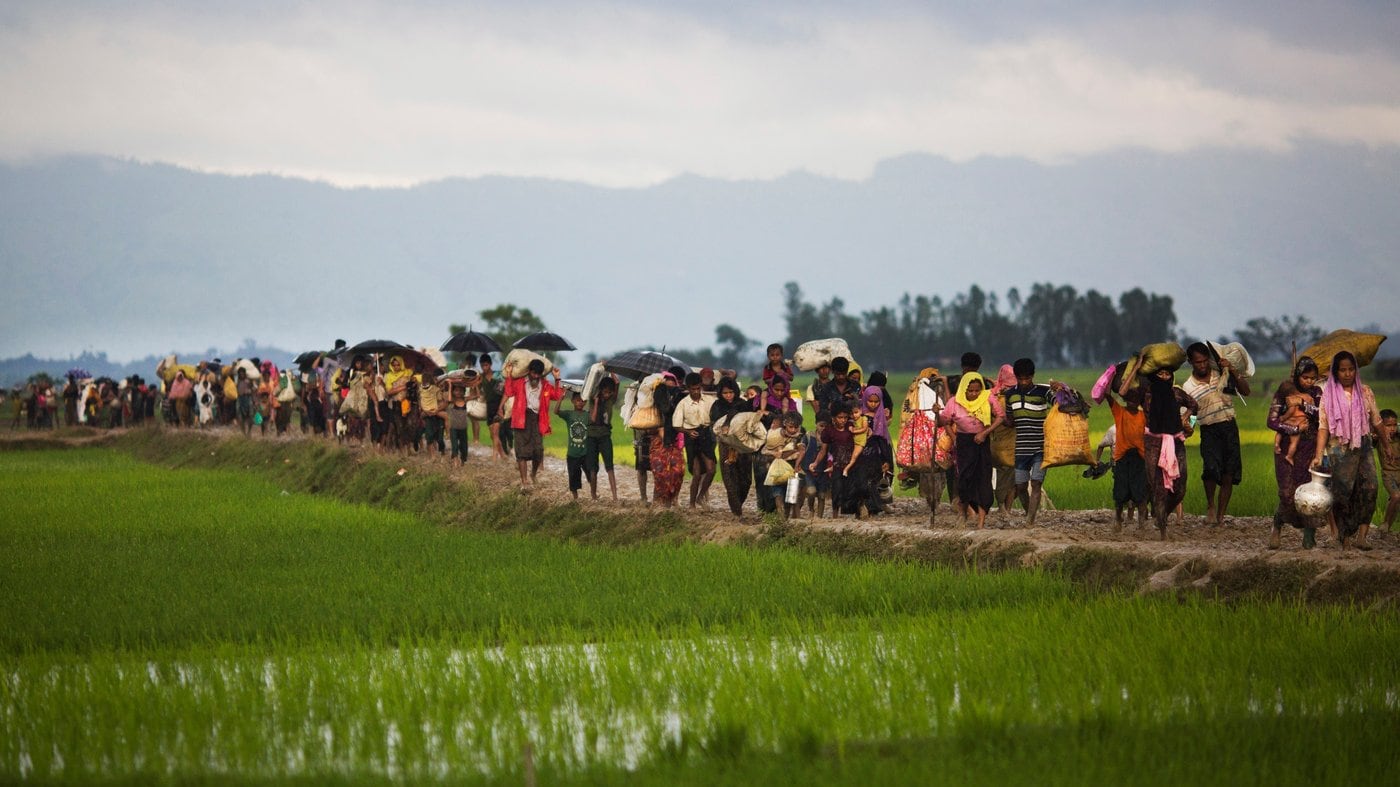
The International Court of Justice, the United Nations’ top court, ruled last week that Myanmar committed genocide against the Rohingya in a brutal 2017 military operation. The court found that Myanmar’s security forces killed thousands of Rohingya civilians, perpetrated widespread acts of sexual violence and acts of extreme violence against children.
The court rejected Myanmar’s defence that the campaign was a legitimate operation against insurgents. Min Aung Hlaing, the former military leader, was in charge of the operation.
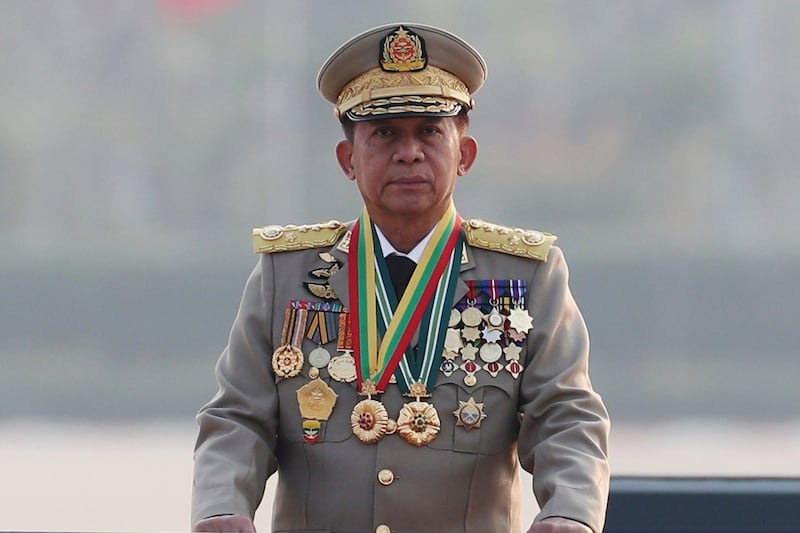
The report said that Min Aung Hlaing considered himself primarily responsible for all matters concerning Myanmar as the country’s leader, and would not accept actions that undermined the nation.
“Myanmar would take the actions appropriate for a responsible country but would not comply with requirements it considered inappropriate,” he said, without elaborating.
Myanmar’s government earlier described the International Court of Justice’s decision as unfair and a great disappointment, pointing out that six of the 15 judges had dissented.
The ruling was the first time the international court has ruled that a state committed genocide. It ordered Myanmar’s government to allow the Rohingya to return home safely, pay reparations and prosecute those suspected of having committed genocide.
The court’s rulings are final and legally binding, but it has no way to enforce them beyond reporting noncompliance to the U.N. Security Council. Myanmar is considered unlikely to fulfill any of the court’s demands.
The separate International Criminal Court, or ICC, also based in The Hague and considering legal action concerning Myanmar and the Rohingya, is under U.S. sanctions along with many of its judges and staff, so any action by the Security Council could face a U.S. veto. The council’s other permanent members, China and Russia, which maintain close relations with Min Aung Hlaing’s administration and have supported it internationally, could also block action.
ICC prosecutors requested an arrest warrant for Min Aung Hlaing in late 2024 over alleged crimes against humanity against the Rohingya, but judges have yet to publicly announce a decision.
Many Western governments and international organizations have pressed Myanmar to comply with the ICJ ruling. Human rights groups urged targeted sanctions against the military, its economic networks and arms supplies to enforce accountability.
The United Kingdom said Monday that it formally recognized the genocide against the Rohingya. It imposed sanctions on five senior Myanmar military officers, announced plans to restrict aviation fuel supplies to Myanmar and pledged 8 million pounds (US$10.5 million) for humanitarian assistance and justice initiatives.
The Security Council is expected to meet privately on Dec. 7 at the request of the U.K., which expelled Myanmar’s defence attache after the ruling.
Myanmar is now embroiled in a bloody civil war, with pro-democracy and other militias fighting against the military. Min Aung Hlaing seized power from Aung San Suu Kyi ‘s elected government in 2021 and became president earlier this year in an election critics said was neither free nor fair.

