







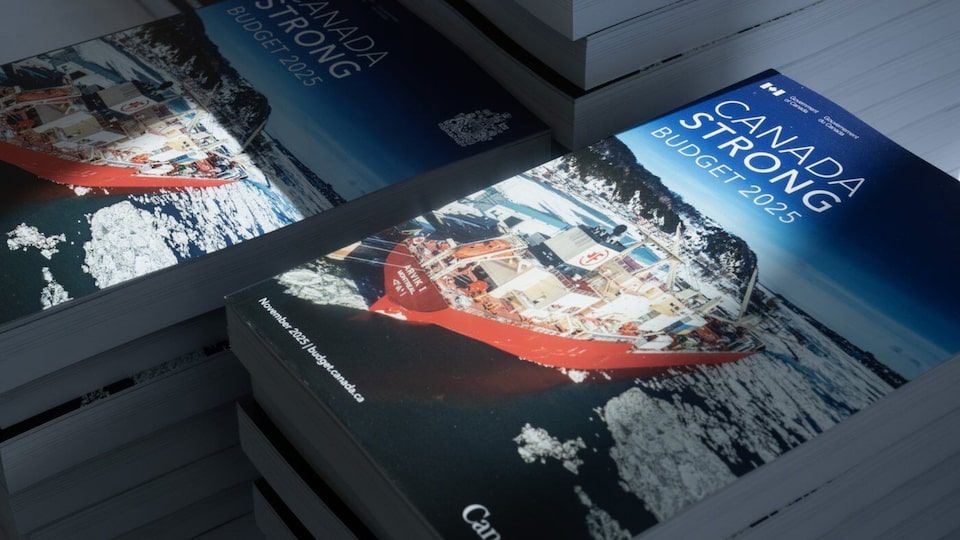
OTTAWA — Prime Minister Mark Carney’s first federal budget represents a shift in policy from Justin Trudeau as the Liberals bet that major investments in an economic transformation will pay off with much-needed growth.
The spending plan announced Tuesday include billions of dollars for infrastructure and new tax opportunities for businesses, alongside previously outlined plans to reduce government costs, including through job cuts.
- READ: Budget 2025 goes big on capital spending, deficit projected at $78.3B
- READ: What’s missing from the Carney government’s first federal budget
- READ: What Carney’s first federal budget includes for everyday Canadians
Business lobbies, not-for-profits and other groups have spent the past few months pitching the government on what they’d like to see in the budget, but no spending plan can address every item on the national wish list. Here’s a look at what is not in the budget:
Phramacare
“Let me be clear, Mr. Speaker, we are protecting the vital services Canadians rely on, including child care, dental care, and pharmacare,” Finance Minister François-Philippe Champagne said in his House of Commons speech introducing the budget,
- READ: With Carney’s budget tabled, the countdown to a make-or-break confidence vote begins
- READ: Global Affairs Canada could merge embassies with allies, must focus on trade: budget
- READ: Feds unveil new climate strategy with no details on Canada’s emission commitments
Yet there’s no indication in the budget that there’s more money for the pharmacare program beyond the $1.5 billion over five years previously earmarked for the first phase project in 2024.
To date, the federal government has spent more than 60 per cent of that money and has deals with just four provinces and territories. Carney has said he’s committed to finalizing deals with the remaining jurisdictions as quickly and equitably as possible, but it’s unclear how that will work.
Environment
Carney scrapped the consumer carbon tax after taking office in the first signal his government would take a different approach to environmental policy than Trudeau’s.
- READ: Ottawa cutting foreign aid and research spending back to pre-pandemic level
- READ: Budget includes CBC funding boost, pitches getting Canada into Eurovision
Consumers were waiting for clarity on two measures — a rebate on electric vehicles and incentives for homeowners hoping to make their homes more energy efficient. Previous funding for both those measures ran out ahead of schedule.
Carney has promised both and automakers are annoyed at the promised return of rebates not materializing, saying consumers are holding off buying electric vehicles while waiting for the rebates to bring the price down.
Sector-specific aid
The industries hardest hit by U.S. President Donald Trump’s trade policies, including steel and aluminum, the auto sector and lumber, were likely holding out hope there would be additional measures to help them financially after a difficult year.
- READ: Federal government plans tax changes to enable $1 trillion boost to economy
- READ: Ottawa promises more oversight on banks, increase access to funds deposited by cheque
- READ: Canada promises $6 billion support for businesses to reach new markets
Some manufacturers will benefit from government procurement, which intends to buy Canadian materials for infrastructure, home construction and other major projects, but there wasn’t any new money for tariff-hit companies or industries.
Individual relief
Federal budgets in the past have included new small targeted programs and tax credits for individual groups of Canadians, but the government’s spending plan this year offers relatively little aimed at individuals.
After cancelling the consumer carbon price and lowering income taxes earlier this year, the budget instead focuses on lower costs for Canadians overall by increasing competition and boosting the broader economy.
The federal government cut the income tax rate for the lowest bracket effective July 1. The tax cut is expected to mean savings of up to $420 per person a year in 2026.

