American liquor will only return to Manitoba store shelves if the U.S. drops all tariffs on Canadian goods, Wab Kinew said Friday.
Manitoba has boycotted American booze since February 2025, and the premier said in an interview with CTV Power Play‘s Mike Le Couteur that besides dropping tariffs, the only other thing that could affect negotiations would be the full release of all files the U.S. government holds in relation to the infamous Jeffrey Epstein.
“What we want to see happen, is get all these tariffs lifted and the threat of tariffs to stop,” Kinew said. “Maybe we should say that they need to release the Epstein files and then we’ll remove the booze ban.”
“Donald Trump obviously does not like talking about the Epstein files because he’s mentioned in there so often,” the premier added.
Canadian negotiators should “hit them where it hurts,” Kinew said, suggesting the U.S. president‘s rhetoric about annexing Canada should be countered by highlighting Trump’s close connection with Epstein, a convicted sex trafficker and child sex offender .
The comments came amid renewed trade negotiations between Ottawa and Washington. Across Canada, most provincial premieres have largely stood together in boycotting U.S. alcohol, with Alberta and Saskatchewan being the only exceptions.
Kinew said Trump’s tariffs were “one of the worst economic policies (Trump) has advanced, which is quite a list to be on the top of,” adding that the booze boycott was “an effective card at the negotiating table.”
“Why would we stop something that’s clearly working, and having an effect, and driving some people that don’t share our values a little wild?” Kinew said with a laugh.
“No tariffs, no threat of tariffs, then you can have the booze back.”
- READ MORE: ‘Our vodka sales are up 100%,’ distiller says, as American booze bans remain
- READ MORE: Here’s how Canada is treating U.S. alcohol amid ongoing trade tensions
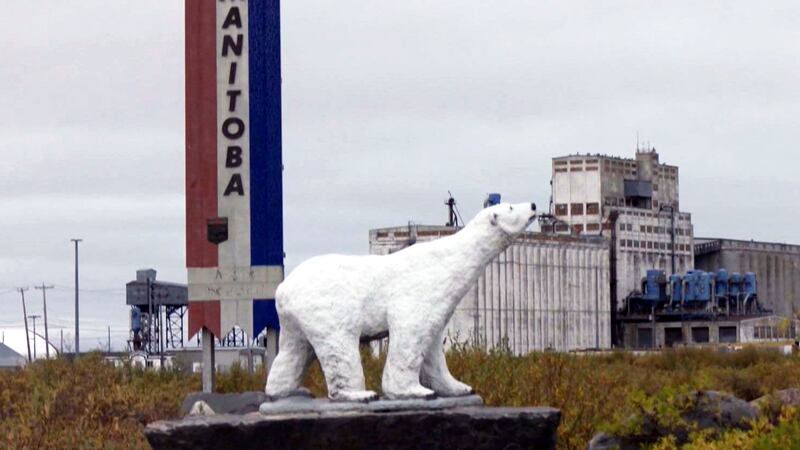
‘Move Heaven and Earth’ for Churchill LNG terminal
Kinew also spoke about a major federal project set for Churchill, Man., saying that Prime Minister Mark Carney wants the province shipping liquified natural gas (LNG) out of the region by 2030.
Kinew added that Carney, energy officials and the major projects office have been supportive of Churchill, calling it “great to see,” but cautioned against the project’s “aggressive timeline.”
“I did interpret that as a bit of a challenge, meaning ‘if you folks can’t deliver then we’ll probably move on by 2030, on the flipside if you can move Heaven and Earth and bring this project into the near term,’ then I’m sure the federal government will be glad to step up,” the premier said.
Kinew said Manitoba would do everything it could to secure the LNG pipeline out to Churchill. The premier added that big projects like this would make Canada less dependent on the U.S.
Addressing concerns about the project’s environmental impact, the NDP premier said that while he loves the land, this project would strengthen northern Manitoba’s economy.
“When you’re talking about northern Manitoba, you’re talking about some of the poorest communities in all of Canada,” the premier said, highlighting limited roads and higher education access.
“I got all the time in the world for the environmentalists out there who are challenging and pushing us,” the premier said.
“I would like them to bring us a viable economic alternative for the poorest communities in Canada to have a path to economic prosperity.”