U.S. President Donald Trump has revived calls for Canada to become the “51st State,” after the country slipped into a technical recession on May 29.
Trump took to Truth Social Monday night to post the words “51st State” with a link to a Bloomberg news article titled “Canada Dips Into Technical Recession for First Time Since 2020”.
The post was reshared by U.S. Ambassador to Canada Pete Hoekstra.
Both jabs caught the attention of Ontario Premier Doug Ford who wrote in a X post on Tuesday, “I can’t believe I have to say this again, but Canada will never be the 51st state. Canada is not for sale.”
Speaking to reporters Tuesday afternoon, Prime Minister Mark Carney said Trump is an “exceptionally active user of social media” and the federal government would not react to every one of his posts.
Asked in light of his post whether it’s time for Hoekstra to return to Washington, Carney said: “Short answer, no.”
Conservative Leader Pierre Poilievre also pushed back on Trump’s comments on Tuesday, telling reporters the idea of Canada becoming the 51st state is “ridiculous and it’s never going to happen.”
Poilievre added that “ridiculous comments” like Trump’s should not serve as a distraction from “the very real suffering that Canadians are experiencing as a result of Liberal policies here at home.”
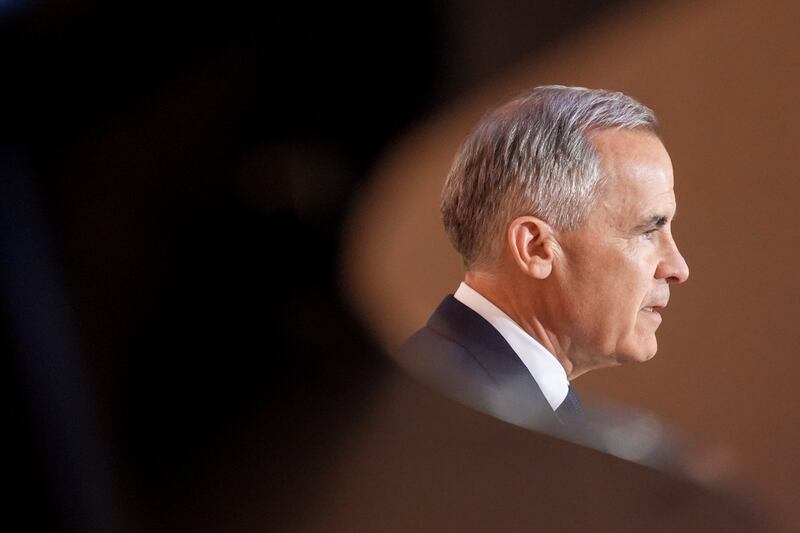
PM acknowledges ‘weaknesses’ in economy
On Monday, the Conservative leader called for an emergency debate on the state of the economy and called on the prime minister to be accountable “in a moment of crisis” for causing what Poilievre says is the only recession in the G7.
Talking to reporters Tuesday morning, Carney did not use the word “recession” but acknowledged “weaknesses” in Canada’s economy.
When asked directly about whether Canada is in a recession, Carney told reporters in Ottawa that the government has been “in the process of laying the foundations for a stronger, more resilient, more independent Canadian economy.”
Canada is not the only country that’s been on the receiving end of Trump’s annexation rhetoric. In May the president turned his sights on making Venezuela the 51st state, posting to Truth Social a map of the country filled with the U.S. flag. Trump later told press he was “seriously considering” the move.
The taunt received backlash from acting Venezuelan President Delcy Rodríguez who told reporters that Venezuela had no plans to become the 51st U.S. state.
The U.S. has also set its eyes on acquiring Greenland - a semiautonomous territory of NATO ally Denmark - as Trump has expressed interest in taking control of the island for security reasons.
The renewed comment about Canada comes as the country enters CUSMA negotiations with the U.S. and Mexico.
READ MORE: Trump revives 51st state threat, LeBlanc wants CUSMA renewed
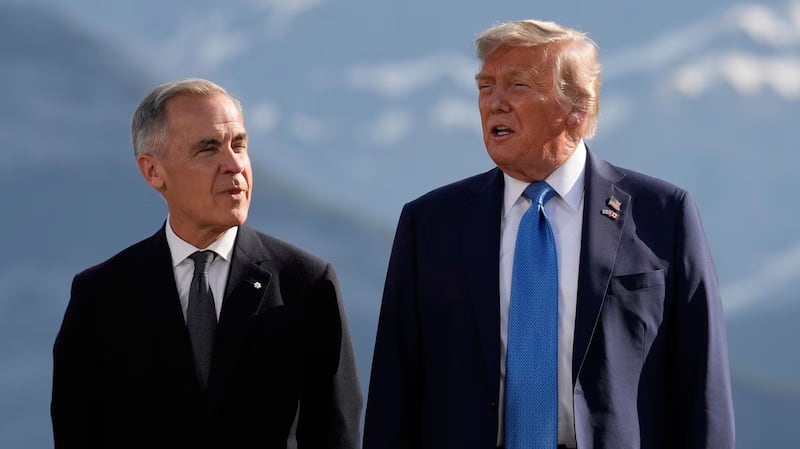
Are Canadians tuning out Trump’s taunts?
In Ottawa, Canadians that stopped to speak with CTV News said they are unfazed by Trump’s revived threats and downplayed concerns that the U.S. could use Canada’s recession as leverage in trade talks.
“I’m absolutely not concerned at all for Canadians,” said Jawadi Malik. “We’ve got lots of opportunities here. We are a country with minerals, we are a country with professionals… we are going to be a strong nation.”
Trump is “not somebody you can actually negotiate with anyways,” Marie Shalmow told CTV News. “Canadians will have none of it.”
As for whether she was concerned about Canada’s current economic position hurting us in the CUSMA negotiations, Raji Narayan said she hopes not.
“Especially if saner heads prevail, because this is not just Canada that’s experiencing the economic issues, it’s a worldwide thing,” she said. “So, hopefully people take a broader view, and that kicks in when we do negotiations for trade.”
With files from CTV News’ Rachel Aiello

