HALIFAX - A new report has found that nearly 20 per cent of Canadian restaurant owners point to tariffs as a top threat that is having an impact on how they run their businesses.
EconoLease’s 2026 Hospitality Operator Report also showed 80 per cent of Canadian restaurant operators have raised menu prices in the past 12 months, while 49 per cent plan to raise prices again. These increases were implemented mainly because food and beverage costs went up 64 per cent in the last year, labour and wages climbed 55 per cent and rent went up 32 per cent.
Willman’s restaurant in Halifax’s north end has been in operation since 1946.
“It is the oldest fish and chips place in Nova Scotia,” said Lucien Nehme who bought the restaurant in 2004 after moving to Canada from Lebanon three years earlier.
Over the decades, the building has been transformed, renovated and rebuilt, but the taste of the seafood served there has stayed the same.
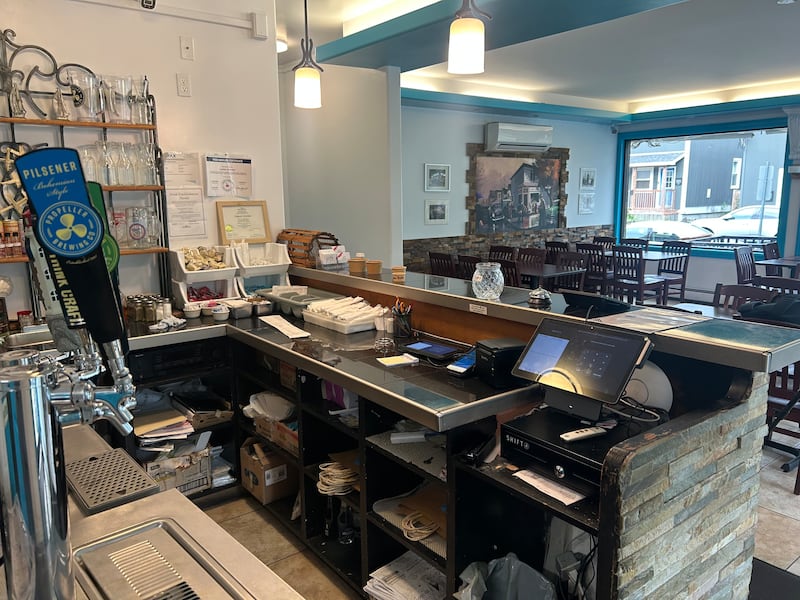
Nehme says he is usually busy, but his operating overhead is more expensive than ever and is eating away at his bottom line. He is concerned tariffs and counter-tariffs could make his current financial situation even worse.
“It is very hard on everybody, especially us as a restaurant.”
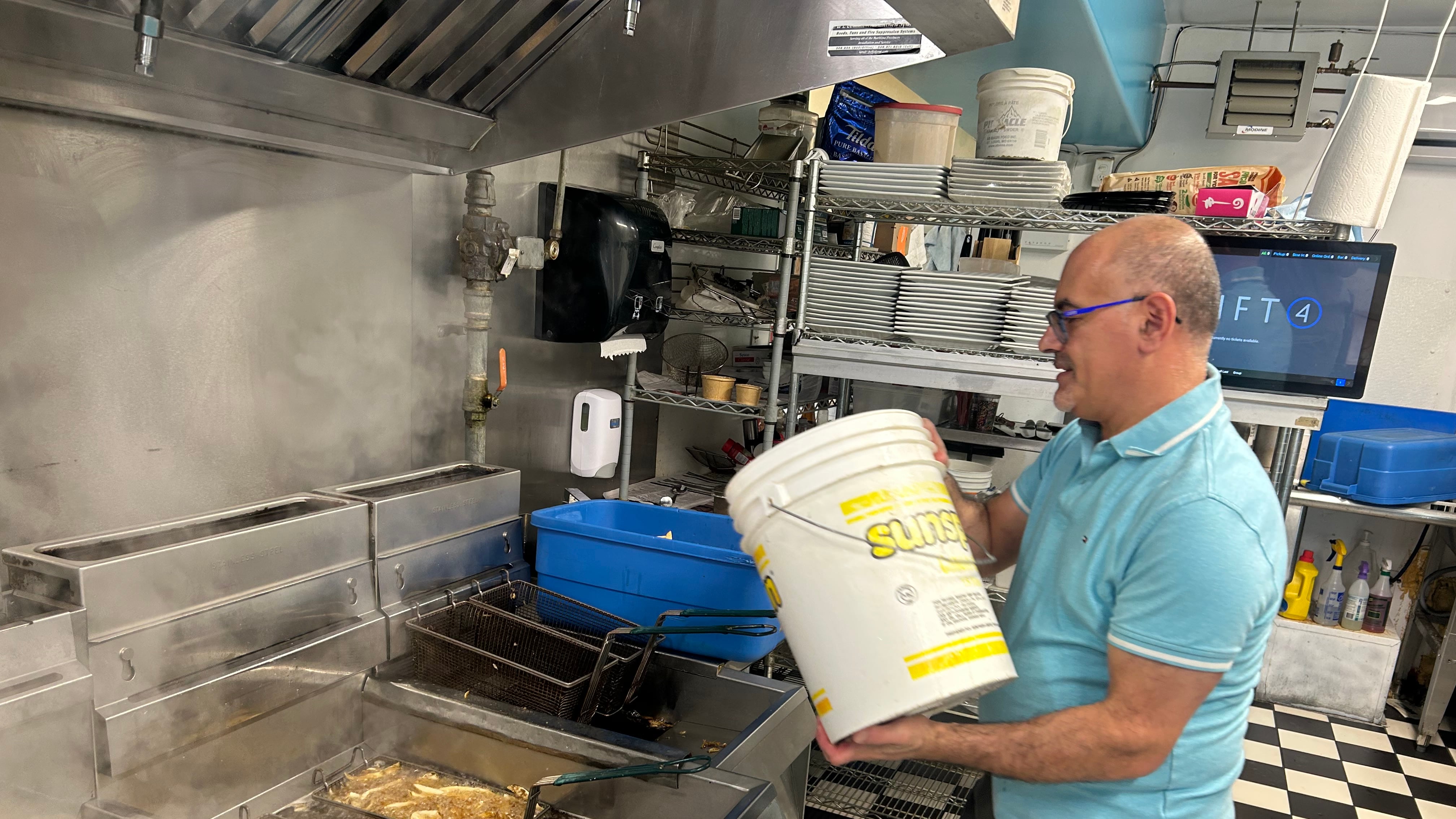
At Nehme’s restaurant, his kitchen equipment is more expensive than ever because U.S. tariffs on machinery that cross the border between the two countries, have increased the cost of many of these products.
EconoLease’s report showed 28 per cent of Canadian operators said cooking equipment is their biggest operational bottleneck while 14 per cent said refrigeration has caused financial pressures.
“Yesterday I fixed something,” he said. “We used to pay $400 and now it’s $900 because parts went up like crazy.”
Tariffs imposed by the U.S. have been placed on plastic wrapping, aluminum foil and cardboard boxes with costs being passed on to operators like Nehme. There are also concerns Canadian counter-tariffs could contribute to an increase in overall operating costs in Canada.
“Packaging is going to go up 50 per cent, labour is going to be up, and transportation is going to be up too,” said Nehme, who added Canada’s trade war continues with the U.S. at a time when energy and shipping costs are already making food more expensive.
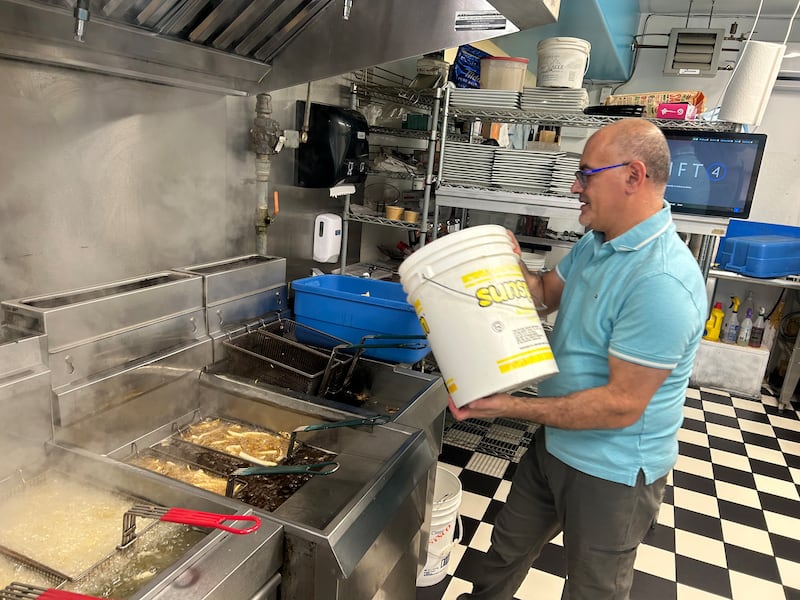
Nehme said as the tariffs and business pressures mount, he is trying to find creative ways to keep this business open.
He already raised his prices earlier this year and would rather not do it again knowing many customers can’t afford another increase.
“When you serve a family, that family has to raise the kids, and they have to feed them,” said Nehme.
Gary Gouldon is a customer at Willman’s and says he likes the food and appreciates the character this restaurant brings to the neighbourhood.
“This establishment has been around here for a long time, so it is important,” said Gouldon.
Nehme said his short-term strategy is to prepare for the worst and try to survive the trade war as best he can.
“We are going to take some hits,” he said.
For the first time since owning his restaurant, Nehme is afraid tariffs and increased operating expenses could knock him out of business.

