

OTTAWA - Multiple industry and labour sources tell CTV News they have been told to get ready for the introduction of significant labour legislation as soon as next week. A senior government source says plans are underway to introduce such legislation following a review of the Canadian Labour Code that began in April.
According to the sources, the legislation comes after a big push from federally regulated industries to provide more stability and predictability in places like ports, railways and air travel. All have seen work stoppages in the last few years.

The sources tell CTV News the government has conveyed to them that the legislation will be aimed at introducing binding mediation before strike action is taken. Industry’s message to the government was that its traditional tool to use for binding arbitration, Section 107 of the Canadian Labour Code, can only be applied too late in the labour dispute process and from its perspective, does not adequately prevent the damage caused from a work stoppage.
Several union sources CTV News spoke with are on red alert over the possibility of this legislation and contend it will strip workers of their right to strike. Unifor National President Lana Payne expressed worry on Friday in an interview on The Graham Richardson Show on IHeartRadio.
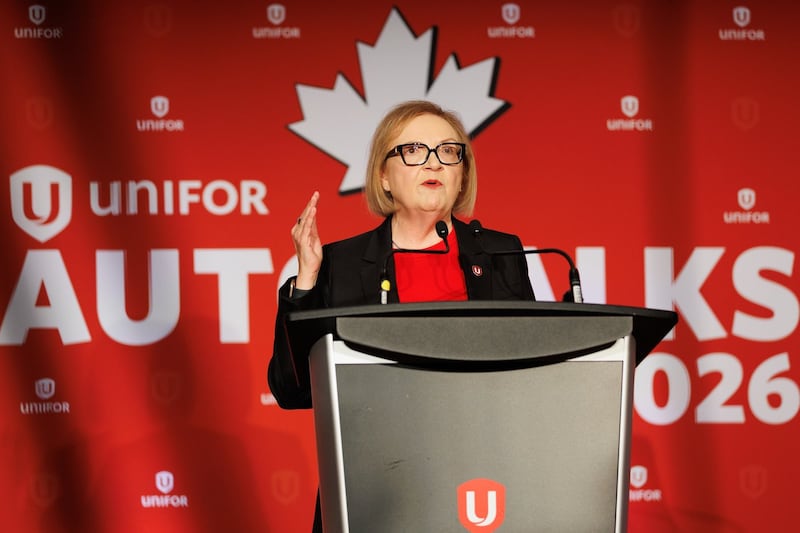
“I’m very, very concerned with where we end up here and how we make sure we are protecting and having rights for workers in today’s environment, where corporations are getting larger, they have more power,” she said.
“Which means we really should be looking at how we make sure our labour codes, whether it’s provincially or federally, are taking those kinds of changes in concentration of power and influence into account.”
CTV News asked Employment Minister Patty Hajdu about those concerns at a separate announcement on Friday.
“I can stand here and say that we will never interfere with a worker’s right to bargain or to strike,” Hajdu said in response.
“But …we do all agree that there are circumstances where better tools are needed to both foster relationships and employer union relationships that are struggling, and to also help resolve resolutions in a way that leads to longer-term industrial peace.”
Industry and labour sources were unclear of how the national interest will be determined in the legislation – whether explicitly or later, through regulation. But they all point to the question of national interest – “when does the bill get used?” – as the key question the federal government will have to answer.
Several sources tell CTV News that John Zerucelli, secretary of state for labour, is the government’s lead on the legislation and has been the primary point of contact and consultation for industry.
Hajdu is the minister responsible for the Canada Labour Code and any legislative changes will fall under her authority. A government source says she and Zerucelli have worked in lockstep in consultations with stakeholders.

