OTTAWA - Military veterans are twice as likely to develop ALS, according to recent research first reported on by CTV News, but the reason for the higher rate remains unclear and Ottawa is taking notice.
The ALS Society of Canada is calling on the federal government to commit $50 million towards research aimed at understanding why veterans are disproportionately affected by the disease.
Defence Minister David McGuinty said the findings are concerning, but cautioned he is not aware of evidence establishing a link between military service and ALS.
“Those reports are concerning,” McGuinty said. “The direct causal connection I have not seen evidence of yet.”
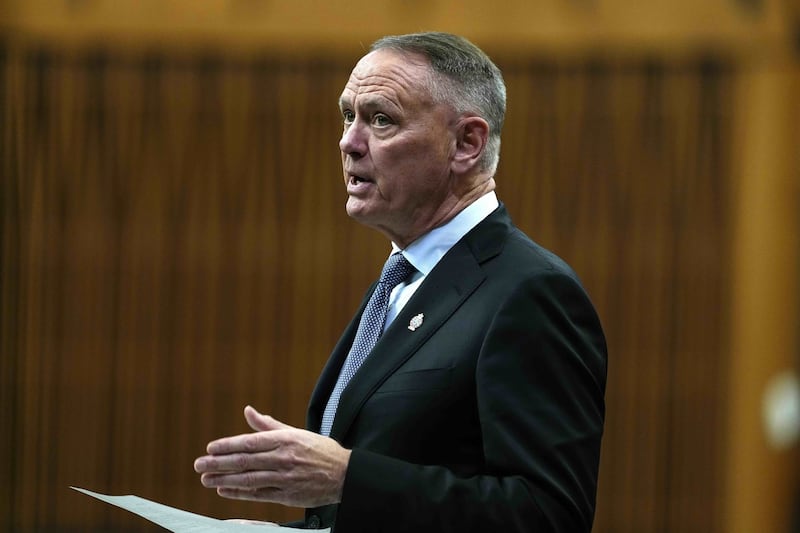
He said federal health officials, including the surgeon general, may be aware and following up on the findings.
“It’s a concern not only with respect to ALS, but any other type of disease that might be forthcoming as a result of service,” McGuinty said. “But right now, it’s early. We’ll look into it.”
The call for more federal dollars to help fund research is getting support from the Conservatives.
Michael Barrett, the Conservative critic for veterans affairs and a veteran himself, said the federal government should provide the requested funding.
“The government can do more and should always do more to help the men and women who’ve served our country with unlimited liability,” Barrett said.
“So absolutely, the government should contribute the research funding that’s being requested.”
‘Federal funding matters’
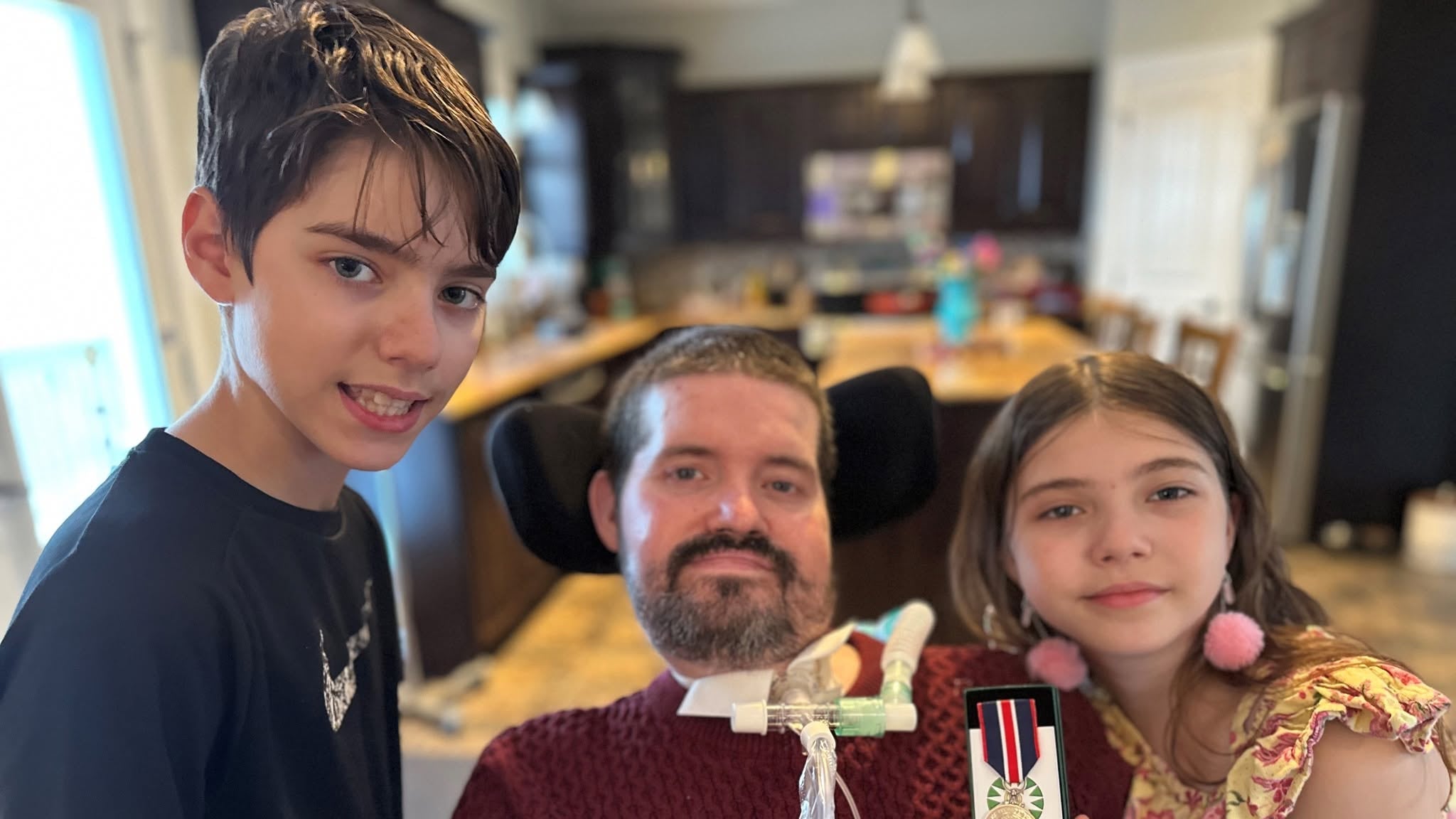
For the family of 39-year-old Bill Duff, the issue is deeply personal.
Duff, a Canadian Armed Forces veteran and father of two, died Sept. 4 after a decade-long battle with ALS.
Before his death, Duff used a specialized communication device to describe to the ALS Society of Canada what it was like to live with the disease and his hopes for his children.
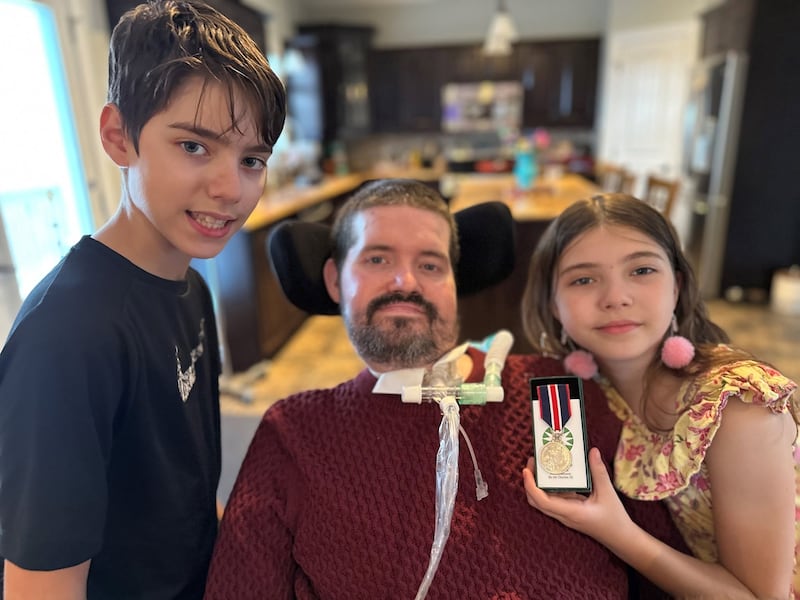
“Living with ALS means dealing with pain every day, and I work hard to keep that part from my kids,” Duff said. “I want the memories they carry into the future to be the good ones. Moments of joy, not a record of how hard this disease has been on our family.”
Duff served 16 years in the Royal Canadian Navy as a marine engineer before a promotion to Petty Officer. In the later stages of his illness, he spoke about the importance of investing in ALS research.
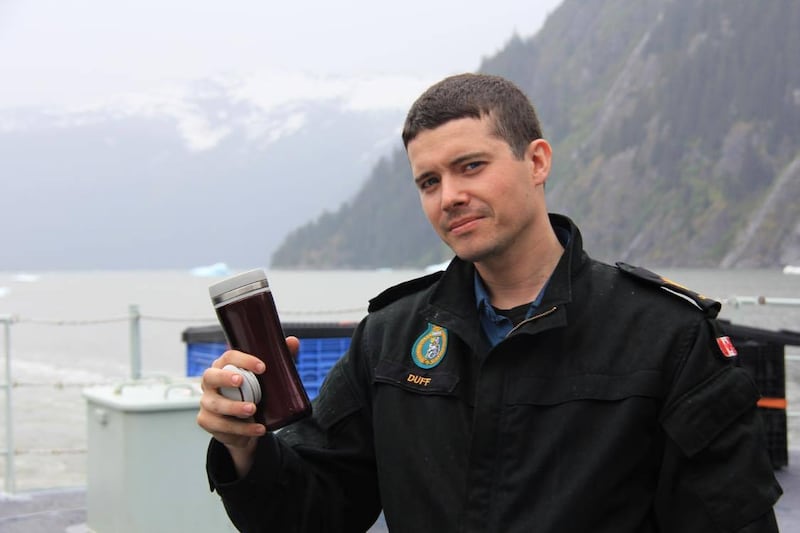
“The truth is, federal funding won’t help me now,” Duff said, before passing away. “But for thousands of Canadian families, a cure or even treatments that slow the disease would mean everything.”
Duff also made clear why he believed federal funding was important, even if it could not help him personally.
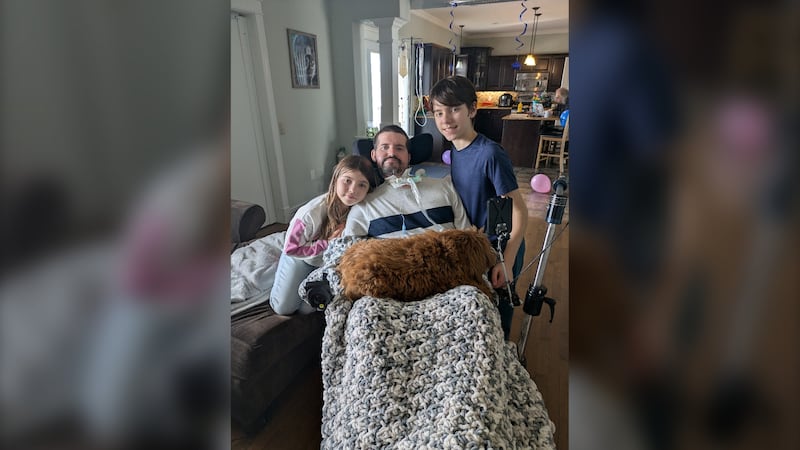
“Federal funding matters because I don’t want other families to experience what mine has,” he said.
Veterans Affairs Canada Minister Jill McKnight said in a statement to CTV News that the government has committed $25 million over 10 years to the Canadian Institute for Military and Veteran Health Research.
The department points to that and other investments in broader veterans’ health research.
But the ALS Society of Canada is seeking a specific investment to help answer why veterans appear to face twice the risk of developing the disease.
The federal government has not directly said whether it will provide the requested $50 million.
With files from CTV’s Adrian Ghobrial

