
More Ontarians with intellectual and developmental disabilities are losing their homes and facing exploitation, creating, what advocates are calling, a system in crisis.
This troubling reality was brought to light earlier this week in northern Ontario as those with lived experience, local leaders, and frontline workers shared stories of vulnerable individuals experiencing homelessness being manipulated into criminal activity, coerced into exchanging sexual favours for shelter, and targeted because of who they are and their desire to belong.
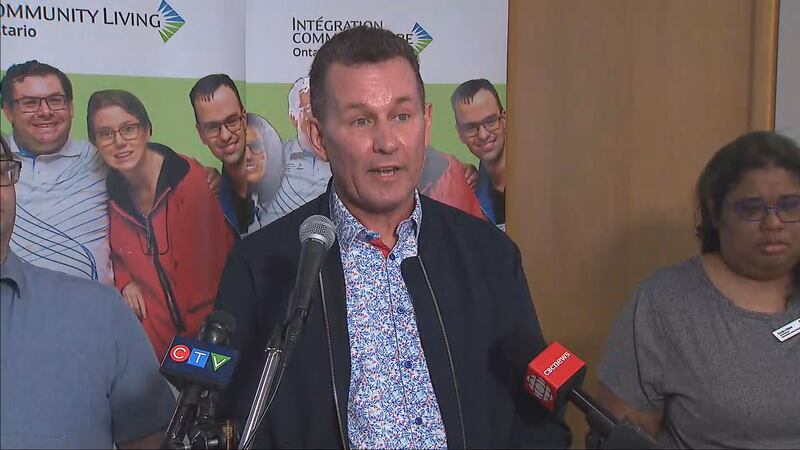
“What is happening in Sudbury is deeply concerning, but it is not unique across Ontario, including here in Toronto and in communities large and small, people with developmental disabilities are struggling to secure safe, stable housing, and the supports they need to live with dignity,” Chris Beesley, the CEO of Community Living Ontario, said during a Wednesday morning news conference in North York.
At this time, one in five shelter users in Toronto has an intellectual or developmental disability.
Meanwhile, more than 53,000 vulnerable people are on the provincial wait list for supportive housing and services.
Beesley went on to say there are misconceptions that people with special needs will always have a someone to care for them.
Instead, he says they’re “facing circumstances that should never exist in a province like ours.”
“After more than three decades of chronic underfunding by successive governments, Ontario’s developmental service sector is stretched beyond its limits,” he said.
“We’re not okay across Ontario.”
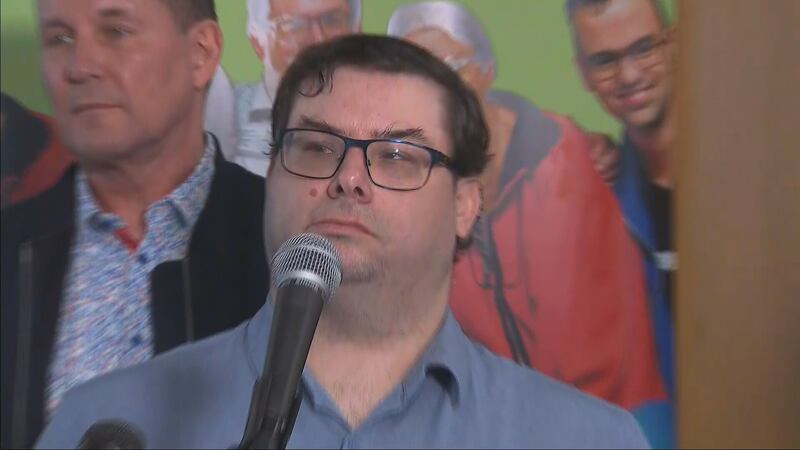
Uxbridge, Ont. resident Niko Pupella was born with cerebral palsy. He also is a person with ADHD and autism, and has learning disabilities.
Pupella says he experienced homelessness from May 2022 to August 2023 after the roof of his apartment was damaged by a tornado and was deemed unfit to live in. He said the provincial government housed him for a time in another building, but that support eventually ran out, beginning his “odyssey of being displaced and homeless.”
“I was once homeless for a year-and-a-half. I didn’t have to live on the streets, but for close to 18 months I didn’t have a home. I went from a college dorm to someone’s sofa to a bed and breakfast, then back to someone sofa,” Pupella, who now serves as the president of the Council for Community Living Ontario, shared during Wednesday’s news conference.
“But other people in my situation aren’t so fortunate to have friends to call on for help. Things did get better for me, but I’ve worked hard to be where I am today. I finally have a place to live in. I work three jobs and last summer I got married to my sweetheart, Amber.”
Amber Taylor, Pupella’s wife and member of Community Living Ontario, said she and other Ontarians with intellectual disabilities feel their voices are not being heard.
“We feel forgotten. I feel forgotten a lot sometimes,” she said, adding the system that is meant to protect them is failing.
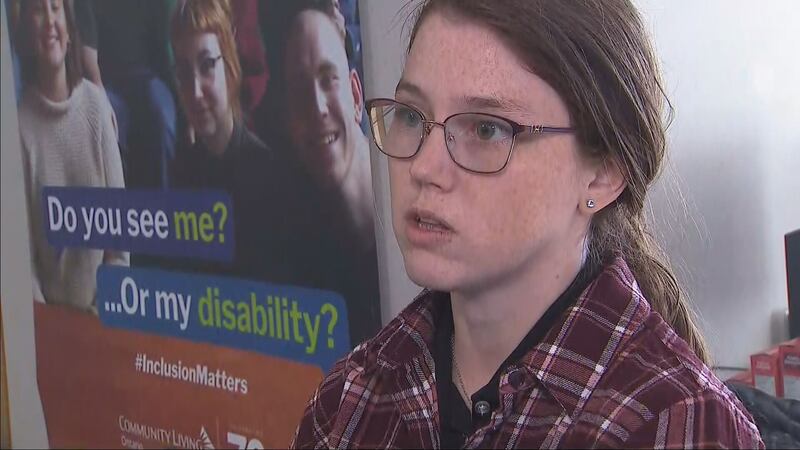
Pupella, meanwhile, said for these reasons he and others in the community are speaking up for those “who have lost their voice and are praying and hoping for more out of life.”
“We are working closely with the provincial government and remain committed to finding long-term solutions and sustainability. The government is listening to us,” he said, adding how it’s not about pointing fingers, but about taking accountability for the situation at hand.
“However, the public must understand the urgency of this crisis. Ontario’s most vulnerable citizens deserve dignity stability and opportunity – not uncertainty and trying to survive in a tent.”
Beesley says people with intellectual and developmental disabilities deserve dignity, safety, and inclusion.
He said they shouldn’t have to sleep in a tent and have their belongings stolen because the amount of money they bring home through work and the Ontario Disability Support Program (ODSP) does not provide them enough to cover rent or causes them to be turned away by landlords from emergency housing.
This option shouldn’t be offered only to those who have already entered a shelter or an encampment, Beesley added.
Michael Parsa, Ontario’s Minister of Children, Community and Social Services, tells CTV News Toronto that his government is “making record investments, including a historic $3.7 billion in Developmental Services this year, with more than $2.4 billion in funding dedicated to supportive living and other wrap-around supports, to ensure adults with developmental disabilities have the support they need.”
Parsa added that through the Passport program, his government is assisting adults with developmental disabilities to “participate in their communities and live as independently as possible.”
“We increased the minimum amount that individuals can receive to $5,500 a year. Last year, we provided Passport support to more than 70,000 people with developmental disabilities, an increase of over 46,000 since 2018,” he said, noting how ODSP rates have also been increased by 20 per cent since September 2022, with future increases tied to inflation.
Beesley, however, told CTV News Toronto that he’s heard of no future funding commitments to address this growing crisis.
The provincial budget is set to be tabled at the end of March.
With files from CTVNorthernOntario.ca journalist Lyndsay Aelick

