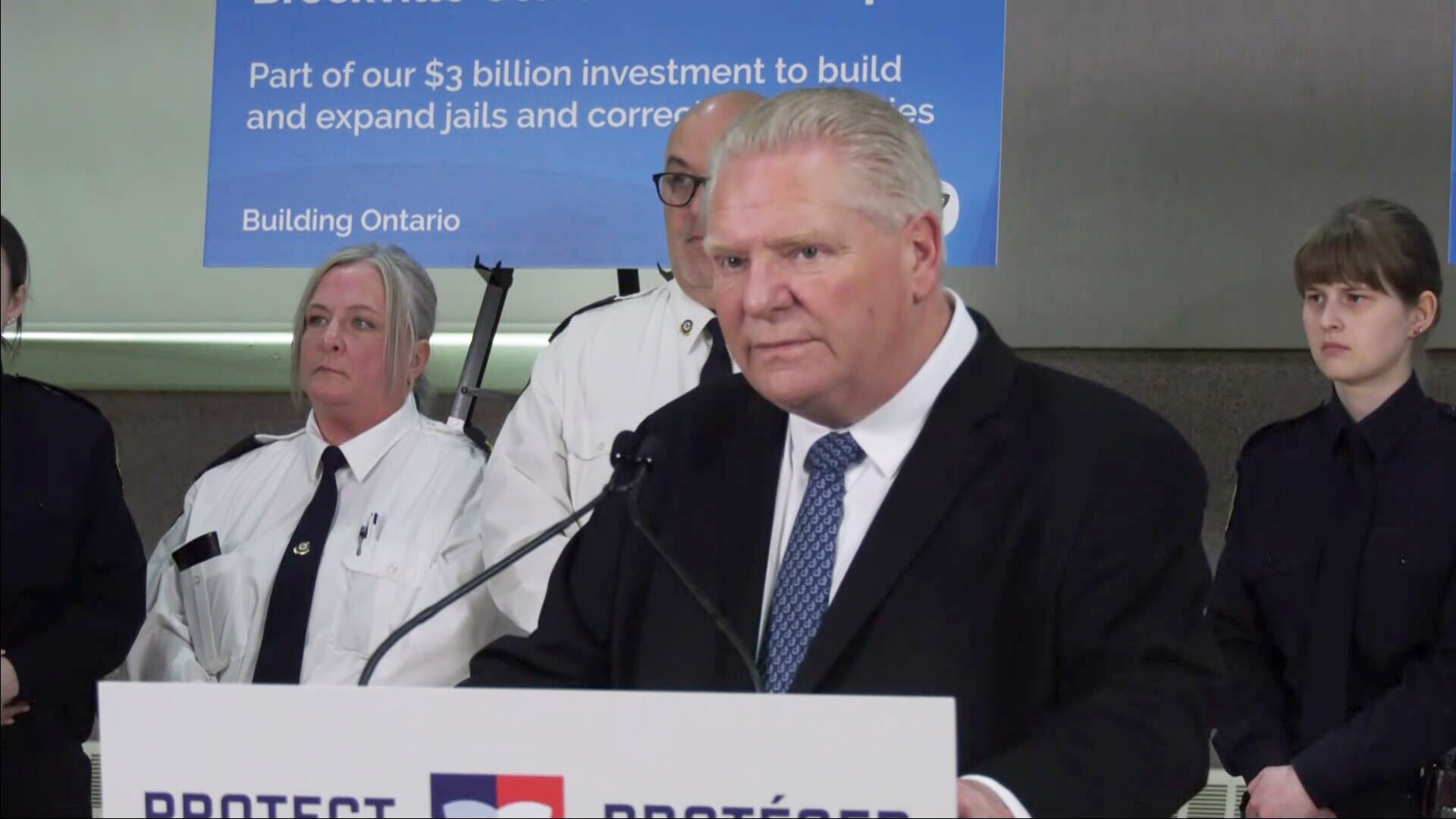
Ontario Premier Doug Ford is defending his government’s decision to exclude his office and those of his cabinet ministers from Freedom of Information (FOI) laws, saying the move is necessary to protect the privacy of his constituents and to safeguard information from foreign entities.
The Ford government announced Friday it would be moving forward on legislation to exclude the premier, his cabinet ministers and and parliamentary assistants from FOI requests.
The government’s move to increase secrecy around cabinet documents and decisions follows the loss of a court case brought by Global News over access to the phone records of the premier’s personal cell phone, which he uses instead of a work phone to conduct government business.
Asked about the move Monday, Ford said the changes are necessary because he wouldn’t want any of his constituents’ personal matters made public.
“People call me, 1,000 people a day on very personal, personal issues. There’s confidentiality. I was sworn to confidentiality for constituents, and I’m not going to release personal, confidential information about people’s lives. That’s what it comes down to and there’s cabinet confidentiality,” Ford said.
Critics have said that keeping all his phone records secret also means it’s harder to find out which individuals, companies and groups have the premier’s ear when it comes to decision-making for the province.
Minister of Public and Business Service Delivery and Procurement Stephen Crawford spoke alongside Ford Monday and reiterated that the FOI changes bring Ontario in line with other jurisdictions like the federal government and are part of a package of changes to update Ontario’s cyber security and privacy framework.
However he added another reason when pressed on why the framework can’t be modernized while improving citizen access to information.
“We’re also ensuring that foreign countries, foreign companies, which have been taking advantage of our openness through predatory information gathering, will no longer be able to so,” Crawford said.
Ford then jumped in and said he was being too politically correct.
“We got to protect ourselves against the Communist Chinese that are infiltrating our country – Canada, the U.S., everything – into our education system, into high tech companies. That’s who we have to protect from. So it’s serious, it’s absolutely serious,” Ford said.
The government says the new cybersecurity framework would also enhance cyber security rules for vital public services and would require broader public sector organizations to complete cyber maturity assessments every two years, report critical incidents and designate a single point of contact in the event of a cyber security incident.
Orders issued by ministers to the public service will still be subject to FOI requests, but the public will have less access to government processes and decision-making around policy decisions.
The government also said last week it would extend the response timeline for FOI requests to 45 days.
Ontario NDP Leader Marit Stiles called the government’s proposed legislation “outrageous” last week, saying there was no benefit to the public.
In a statement Monday, Stiles responded to Ford’s latest comments.
“These are ridiculous excuses,” she said. “The premier isn’t worried about China, he is worried about what the people of Ontario will see when his phone records are released.
“This is democratic backsliding, plain and simple.”

