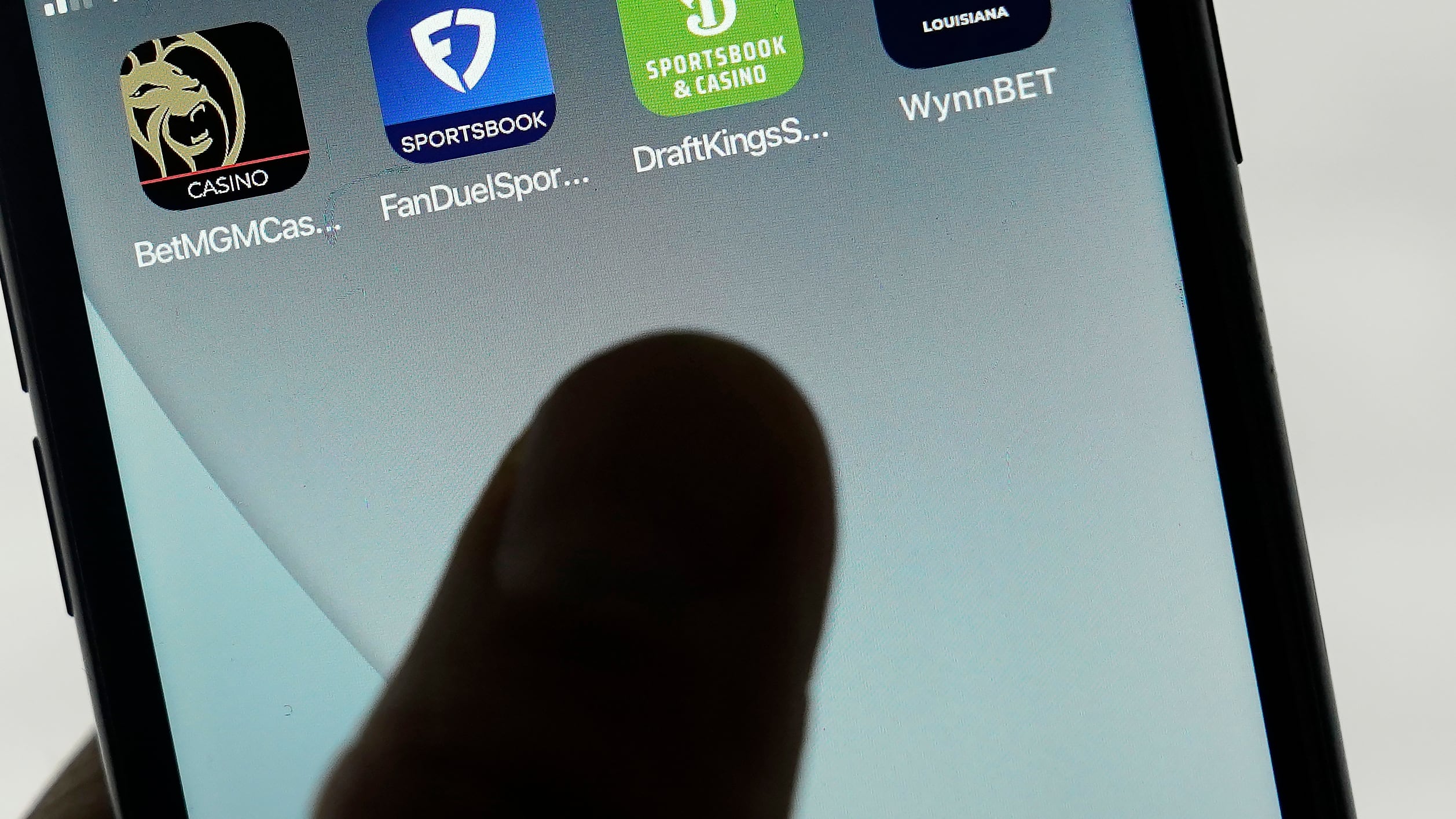
Ontario’s minister responsible for gambling says potential changes to the laws governing ads for online gambling are coming soon.
“We understand that the time to do something is now,” Minister of Tourism, Culture, and Gaming Stan Cho told CTV News in an interview this week.
“I’ve gone through this with family in terms of problem gambling online, and I know that that days matter on this.”

Mental health experts are alarmed by the pervasiveness of gambling ads baked into sports broadcasts, online, and on the street.
“We’re worried about whether we are basically just creating a generation of gambling addicts,” says Dr. Nigel Turner, a gambling addiction researcher at the Centre for Addiction and Mental Health (CAMH).
The number of ads has dropped slightly since a spike in 2022 after Ontario opened gaming to private, regulated companies. Then came an explosion in calls for help to ConnexOntario, the province’s 24-hour free mental health and addictions helpline.
A study in the Canadian Medical Association Journal finds that among boys and men aged 15 to 24, the mean monthly rate of gambling-related outreach per million people rose by 317 per cent from the time before the introduction of online gambling to the period after the privatization of the sector. The rate increased about 108 per cent over the same time frame for men aged 25 to 44.
Turner explains teenage boys are most susceptible to gambling addiction. He says the micro-betting now possible on virtually every part of sports competitions can make online gambling like a slot machine—the most often reported source of gambling addiction.
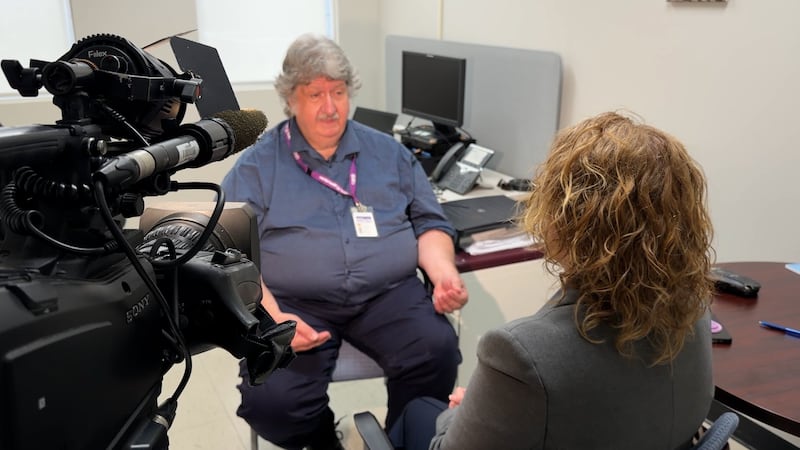
“If we’re not paying attention to the data and how that language is being spoken, the volume it’s being spoken in and the frequency in which it’s reaching problem gamblers, then we could have a problem on our hands,” Cho acknowledges.
What steps have already been taken
In May the province launched BetGuard, a centralized way for problem gamblers to self-exclude from online gambling platforms.
Cho says 2,000 people signed up for the program in its first month.
In 2022, Ontario banned celebrities and athletes who appeal to youth from gambling ads, with an exception for spots that focus on responsible practices.
Lee Fairclough, a Liberal MPP who is running for the party’s leadership, wants to stop online gambling ads altogether.
“We’re in a public health crisis,” Fairclough said at a news conference before tabling a private member’s bill in April. “The first thing we can do is actually reduce the advertising.”
NDP leader Marit Stiles agrees change is necessary.
”(Gambling ads) prey on, frankly, kids. They prey on people who are having a tough time.”
The path forward
Minister Cho says he’s consulting with experts and the Attorney General and studying other jurisdictions like the United Kingdom.
In 2019, gambling firms agreed not to air ads from five minutes before a game begins until five minutes after the final whistle. But some of those companies have gone on to sponsor teams and host in-stadium promotions.
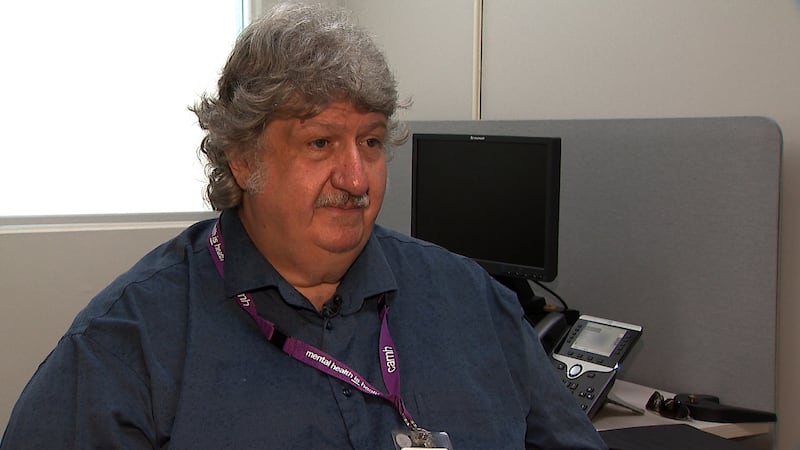
Turner is in favour of fewer overall ads and a “whistle-to-whistle” ban, but he also wants more honesty about what’s at stake.
“Gambling is designed to be fun and entertaining but as a way of losing money.”
If you are struggling with gambling, there are resources at ConnexOntario, by calling 1-866-531-2600 or texting CONNEX to 247247
With files from the Canadian Press

