Speeding in some Toronto neighbourhoods has surged since the province ordered the removal of automated speed enforcement cameras, with new data showing a nearly 400 per cent increase in the number of drivers travelling at least 16 km/h over the limit.
The report, which is being considered by city council today, examined vehicle speeds and roadway fatalities following the Nov. 14, 2025 end of automated speed enforcement (ASE) operations.
Across 104 locations with comparable before-and-after data, staff found operating speeds increased in 101 of the locations after cameras were removed.
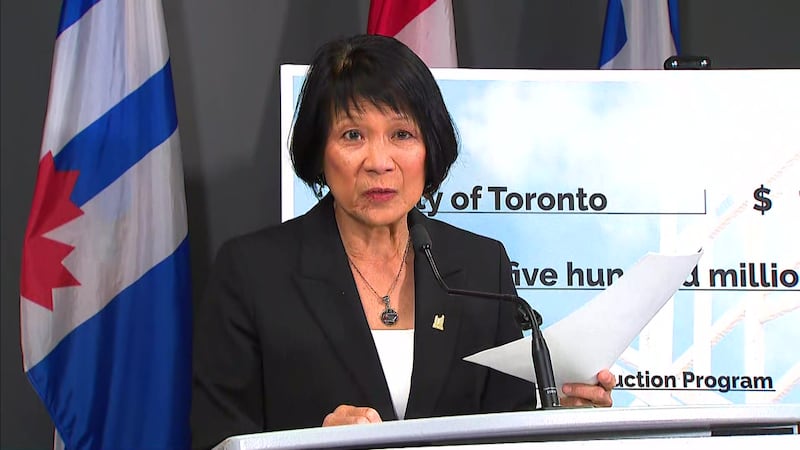
“We’re talking about school zones, we’re talking about community zones, where the seniors and kids go to school every day,” Mayor Olivia Chow said at a press conference on Wednesday morning. “That’s just horrifying, and we knew the speed camera works. Now that it’s taken out, we notice that this dramatic increase of speed.”
Speeding rises after ASE removal
Toronto launched its ASE program in January 2020 with 50 mobile cameras positioned in community safety zones, more than 90 per cent of them near schools. The program later expanded to 75 cameras and then 150 cameras by early 2025, including 24 permanent installations.
According to the report, there was a 380 per cent increase in the number of drivers travelling 16 km/h or more above the posted limit and a 270 per cent increase among drivers travelling 11 km/h to 15 km/h above the limit following the removal of the automated cameras. The number of drivers travelling less than 10 km/h above the posted limit rose by 94 per cent.
“People are driving like it’s a highway, it’s a school zone, for God’s sake,” Chow said. “So bring back those speed cameras, because this is just inexcusable.”
The report also notes that 25 fatal collisions occurred on Toronto roads between Dec. 1, 2025 and May 31, 2026, following the end of the ASE program.
In comparison for the same period in years prior, the number of fatalities was lower while speed cameras were active - 20 fatalities (December 2024 to May 2025), 21 fatalities (December 2023 to May 2024), and 16 fatalities (December 2022 to May 2023).
In the report, officials note that two of those deaths (from Dec. 1, 2025 to May 31, 2026) happened within 100 metres of locations where speed cameras had previously operated, including a fatal motorcycle collision on Nugget Avenue near Markham Road and a fatal pedestrian collision at Parliament Street and Gerrard Street East.
Premier Doug Ford has previously called the automated cameras a “cash grab” and has said that they are not as effective as speed bumps and other traffic-calming measures in slowing down drivers.
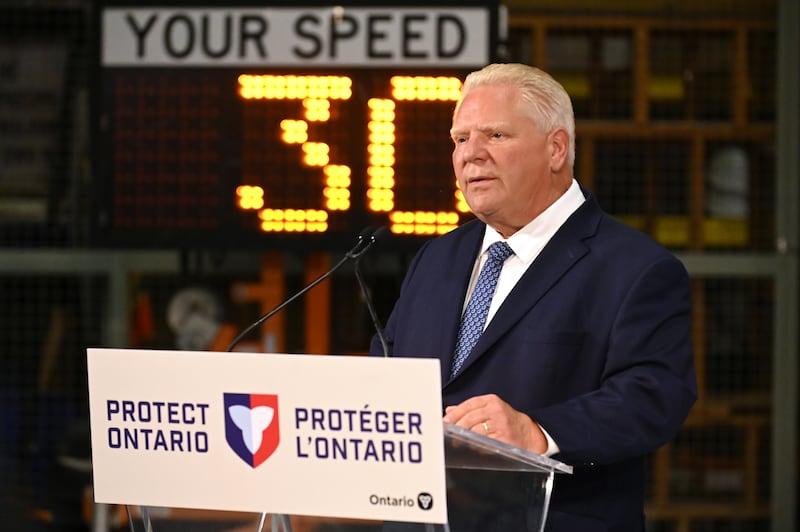
To that end, the province has previously committed $210 million to municipalities to help pay for more traffic-calming infrastructure.
“Our position has always been that if we want to reduce speeding on, whether it is Parkside (Drive) or other roads where safety if a concern, we need to install infrastructure like speed bumps. One hundred per cent of the time if you have a speed bump there, you will not be able to speed and you will not be able to get at a higher speed,” Ontario’s Transportation Minister Prabmeet Sarkaria during an unrelated press conference on Wednesday.
Financial impact also highlighted
The report showed that following the removal of the speed cameras the percentage of drivers travelling more than 11 km/h above the posted limit rose from two per cent to 8.1 per cent.
Staff say that the increase in speeding “was generally more prominent on streets with a posted speed limit of 30 km/h.”
Speaking with reporters, Chow argued the loss of the camera program has also created a financial challenge for the city that could ultimately compound her safety concerns created by the removal of the cameras.
“We have trouble paying for the crossing guards, because I think it’s like $60–70 million,” she said. “That money to pay crossing guards came from the fines for people speeding. That’s now gone.”

