A family in Oshawa say their first electric car has been a good vehicle, but they now have concerns that charging it could be potentially dangerous.
Brooke and Will Hepburn purchased a 2027 Chevrolet Bolt in June of this year.
In September, when Brooke got home from work and plugged it in to charge, she said she felt a sudden shock when she moved the charging cable on the ground.
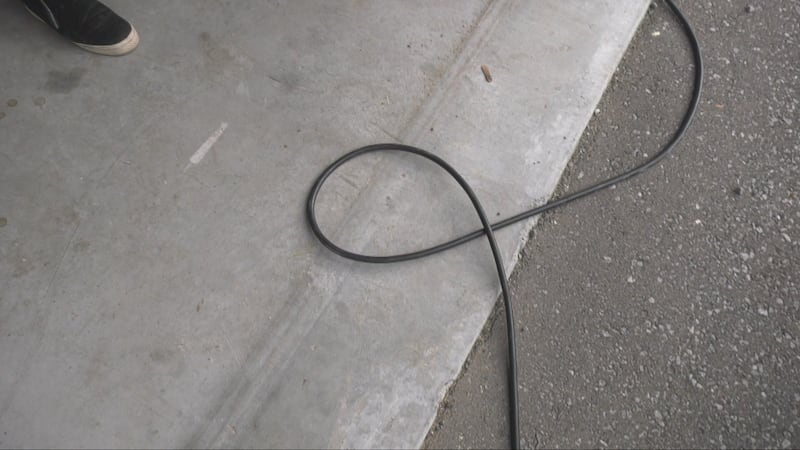
“I just wanted to straighten it before I closed the door, so I came over and moved it, and that’s where I got the shock,” Brooke recounted.
She said initially it felt like a sharp sting, and then the pain got worse.
“That pain immensely changed. It felt almost like a flame on my finger, and it turned into a shock going up my arm,” she said.
Brooke made it into her home, but then collapsed on the floor in pain.
“She was on the ground rolling around, holding her finger, screaming, and gasping,” said Will.
They went to the hospital, and Brooke had an EKG to check her heart. While she was told she was fine to go home, she still felt a tingling sensation for days afterward.
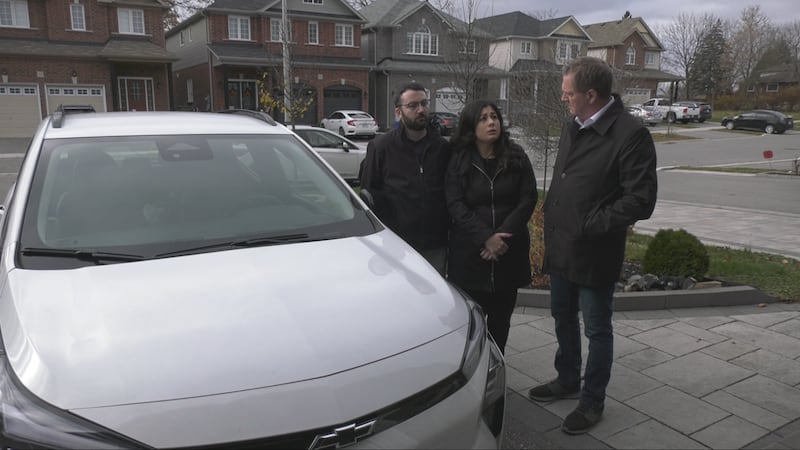
“The immense pain wore off in 24 hours, but the nerve pain lasted for about a week,” said Brooke.
While a charger came with their home, which was built in the past few years, they upgraded it to the charger that was specially made for the Chevrolet Bolt. It was installed by a licenced electrician, and they said they had certification showing the install was done correctly.
General Motors sent an engineer to the family’s home to do an inspection of the charging system.
A spokesman for GM told CTV News, “GM Canada takes every report of a potential safety concern seriously. We investigated this customer’s report, including an inspection of the charging equipment, and found no evidence of a malfunction, defect, or broader issue with the charging system. We remain in contact with the customer and will continue to work with her directly.”
- How to set CP24 as your preferred source on Google
- How to set CTV News as your preferred source on Google
CTV News also reached out to the Electrical Safety Authority, and a spokesperson said, “ESA is not aware of EV charger shocks being a common or pervasive issue, and we do not have data indicating that this is a broader trend.”
“As with any electrical equipment, proper installation and use are important. Homeowners installing EV charging equipment should ensure the equipment is approved for use in Ontario and compatible with the vehicle and electrical system, hire a Licensed Electrical Contractor (LEC) to complete the installation, and ensure a notification (permit) is filed with ESA for the electrical work. In addition, the device should be maintained in good working order, and cords should be checked regularly for wear and tear,” the spokesperson added.
The Hepburns wanted to return the EV but were told that was not an option.
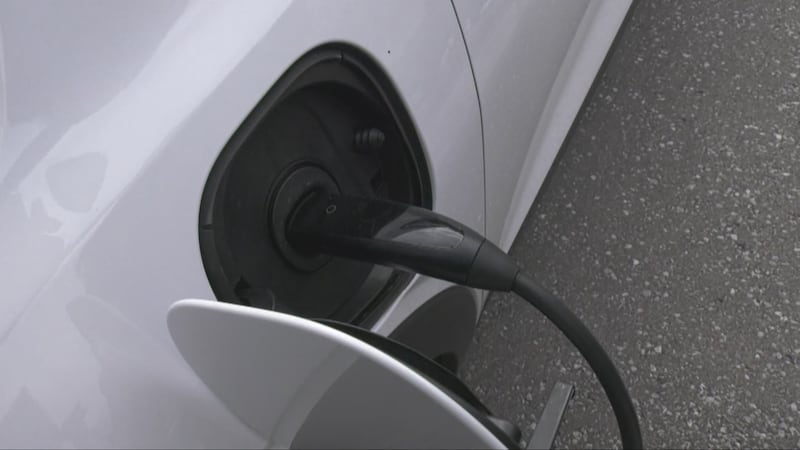
GM did offer to replace the charging cable with a new one, but the family says they’d rather change back to a gas-powered car.
“Switching to a gas vehicle, which we know doesn’t have the ability to shock us or shock our children, is the only thing that will make my wife feel safe,” said Will.

