Potent animal tranquillizers are showing up more than ever in Toronto’s unregulated drug supply, substances that aren’t approved for human consumption and can have serious, sometimes deadly, effects on those who use them.
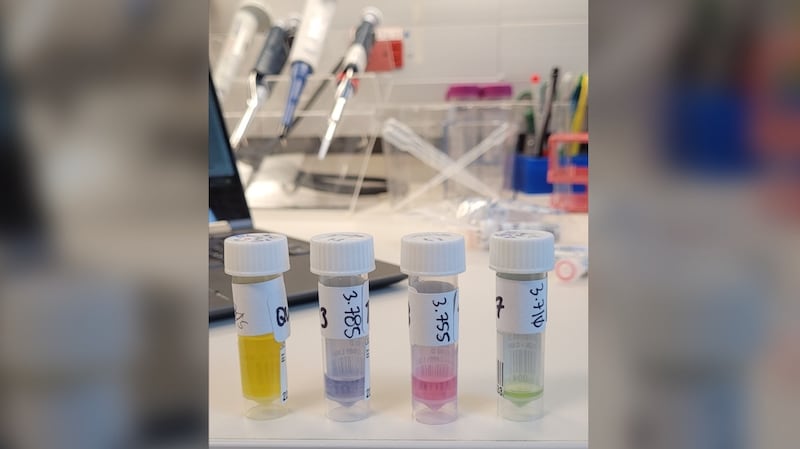
These toxic drugs are being detected in the city’s supply of fentanyl, a powerful synthetic opioid, explained Karen McDonald, the executive director of Toronto’s Drug Checking Service (TDCS).
While stimulants, like meth and cocaine, and psychedelics, like psilocybin (magic mushrooms) and MDMA and ketamine, are among the most common types of unregulated drugs in Toronto, they don’t tend to lead to a high number of overdoses and deaths as their supply is mostly stable.
Fentanyl, which has been the city’s most prevalent opioid since 2017, is what’s fuelling Toronto’s drug poisoning crisis.
That supply, on the other hand, is extremely unpredictable and toxic, leading to high numbers of overdose and deaths, as people who use drugs are expecting to be consuming fentanyl, but often end up taking a cocktail of harmful substances.
“The fentanyl supply is contaminated. ... that’s what’s really driving this crisis,” she said.
According to the Toronto Overdose Information System, there have been just under 4,000 opioid toxicity deaths in Toronto from 2015 to the end of 2024.
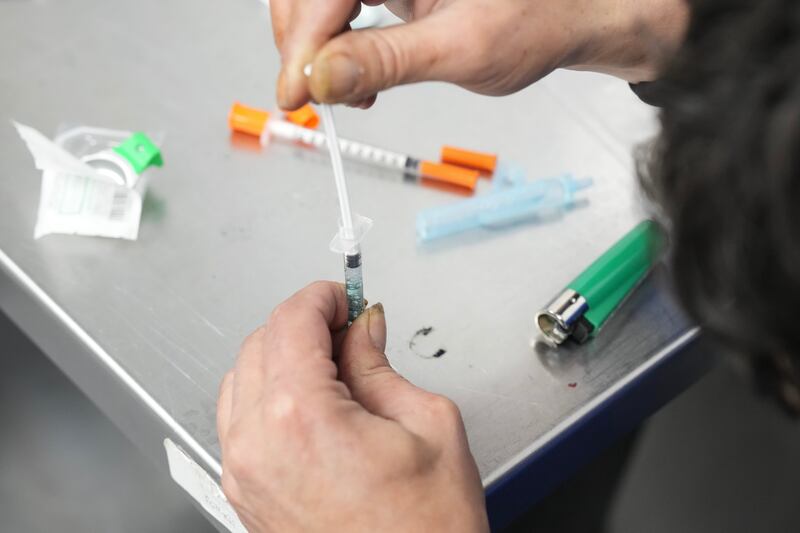
In the early years of drug checking in Toronto, central nervous system depressants called benzodiazepines were the most common toxic substance detected in Toronto’s opioid supply.
And while the effects of “benzo-dope” cannot be reversed with the opioid antidote naloxone, they are generally seen as less risky, as these substances are approved for human consumption.
Since August 2024, the prevalence of benzodiazepines in expected fentanyl samples collected by TDCS has been significantly down.
The rise of animal tranquillizers
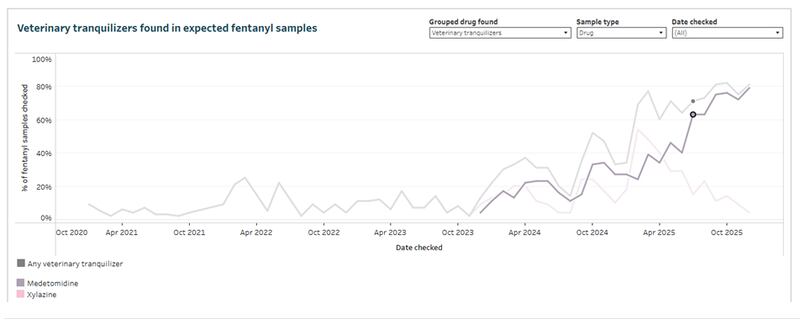
Since around the fall of 2024, Toronto’s Drug Checking Service has observed an increasing presence of an animal tranquillizer called medetomidine in expected fentanyl samples.
This long-acting veterinary surgical anesthetic/sedative and analgesic was first found in the supply in December 2023.
Medetomidine can produce extreme sedation, putting users in a deep state of unconsciousness, especially when consumed in combination with high-potency opioids, benzodiazepine-related drugs, and xylazine, which is another potent animal tranquillizer. It can also cause a decrease in blood pressure and heart rate, and may slow down breathing.
Xylazine, another animal tranqillizer that is sometimes referred to as “tranq,” “tranq dope,” or “horse tranquillizer,” has consistently been detected in about 10 per cent of expected fentanyl samples in Toronto, McDonald said. It was first found in the city’s unregulated drug supply in September 2020.
Last February, xylazine was present in about half of all expected fentanyl samples, but that number has since been decreasing.
The regular use of this drug, which is less-potent that medetomidine, has been linked to open skin ulcers or abscesses that can be painful and prone to infection. Death is also a real possibility.

The effects of both of these animal tranquillizers cannot be reversed with the overdose-reversing medication, naloxone, as they are not opioids.
“These substances we’re seeing are not approved for human use and are associated with significant adverse health effects. It’s another example of the contaminated and unpredictable fentanyl supply harming and killing people.”
‘Medetomidine has taken over’
In February 2025, medetomidine was detected in about 25 per cent of all expected fentanyl samples collected by the city’s drug checking service. That number is now at 80 per cent.
“While xylazine has dropped off, it appears that medetomidine has taken over,” McDonald said, adding that if programs like TDCS didn’t exist, this ever-changing information would not be readily available.
Toronto’s Drug Checking Service noted that medetomidine has always been found in combination with high-potency opioids and is often seen in combination with other central nervous system and/or respiratory depressants, like xylazine and benzodiazepine-related drugs.
‘Different drugs affect the body differently’
For those on the frontlines, the more recent presence of animal tranquillizers in Toronto’s drug supply is alarming, if not unexpected.
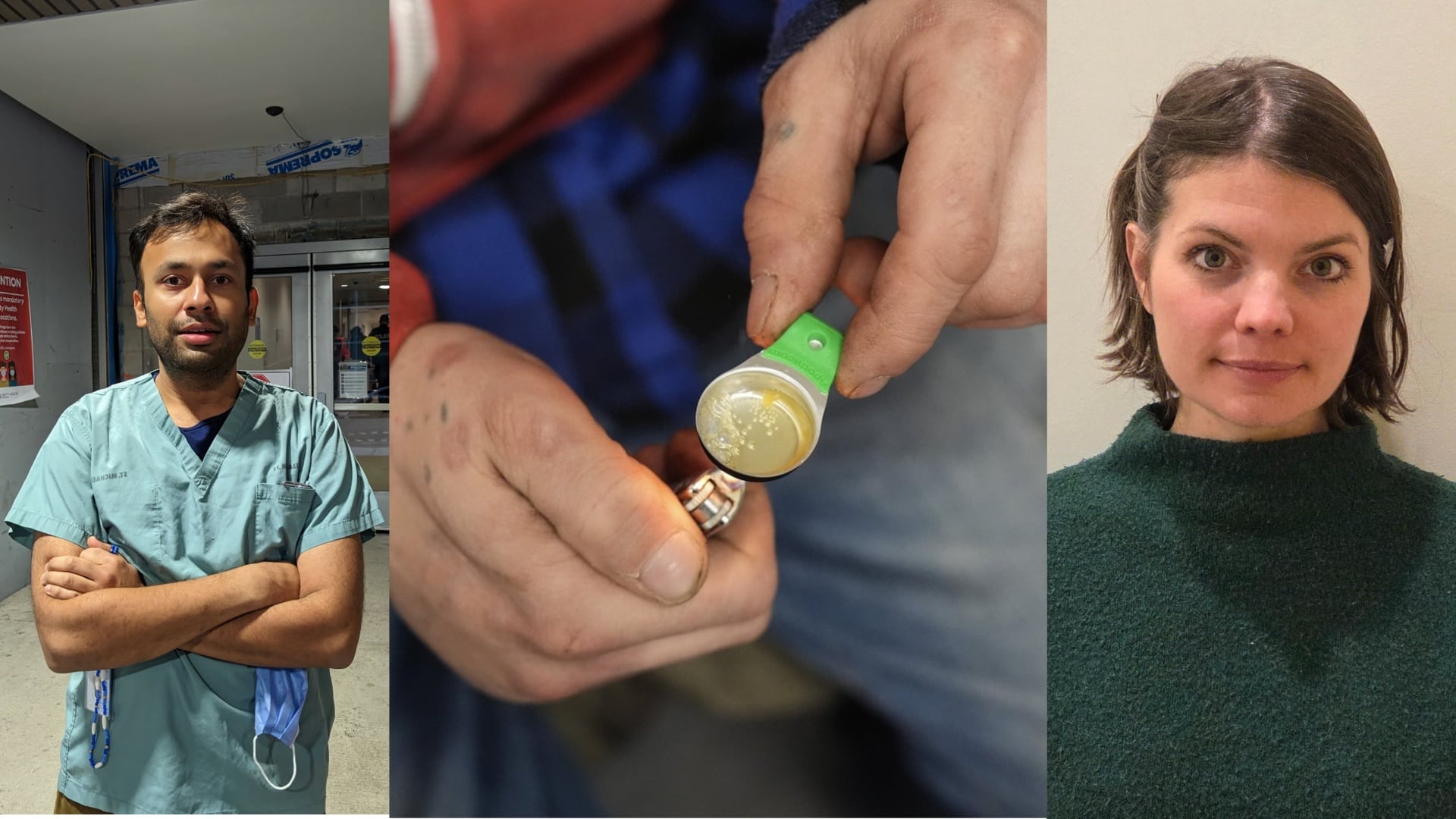
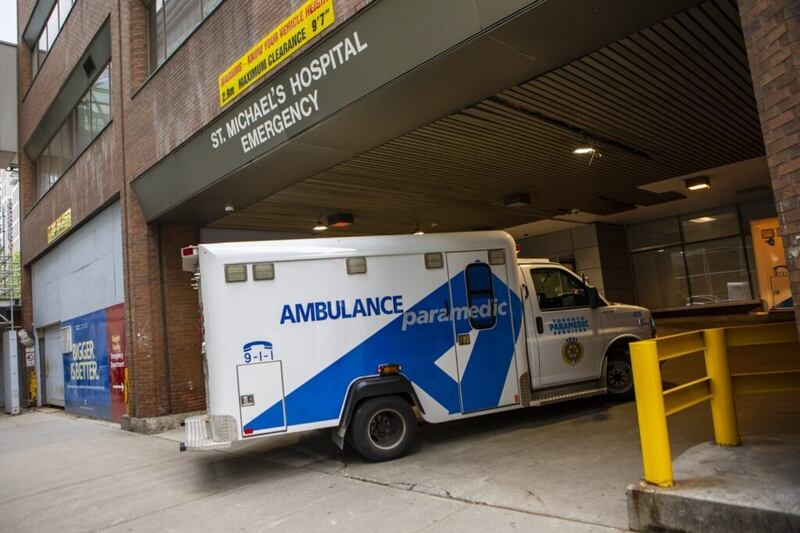
“(This contamination) is not a new problem,” Dr. Sahil Gupta, an emergency physician at Toronto’s St. Michael’s Hospital, told CP24.
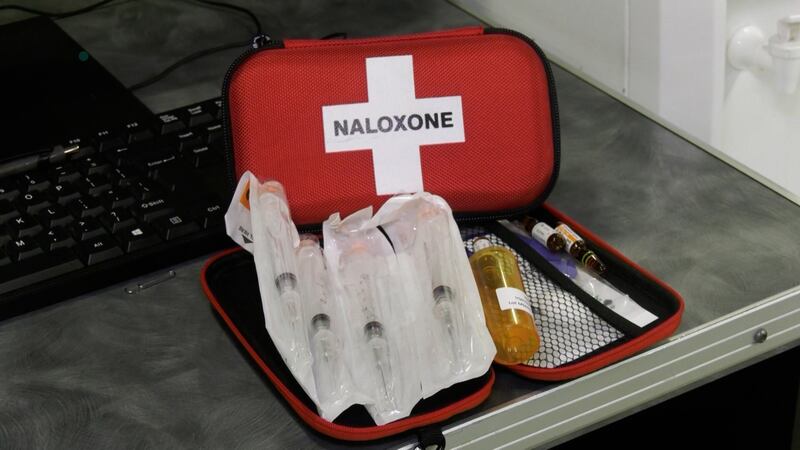
Gupta, who has worked at the downtown hospital for seven years, said when someone is brought to the emergency department (ED) suffering from a suspected overdose, they always take the same initial approach: offering high-level critical care, monitoring blood-oxygen levels, heart rate, and blood pressure, and providing treatment and medication, including usually administering naloxone.
“If that’s unsuccessful and we still see a patient with low pressure and heart rate, for example, that‘s a signal that something else is going on here,” he said, adding his medical team always checks for any other injuries or symptoms a patient may be experiencing, which could lead to further complications.
Gupta said animal tranquillizers basically reduce the body’s normal stress triggers, the neurotransmitters that produce our fight or flight responses.
“If a person is sick or unwell, those vitals are higher, but with these kinds of drugs, they’re actually lower. A patient’s vital signs help us understand better what they might have consumed,” he explained.
“Different drugs affect the body differently.”

Gupta said during an average shift, he sees at least two patients with a substance-use-related issue. Two or three years ago, he said he saw up to 10 patients per shift for those same reasons.
And while both fatal and non-fatal overdoses are currently effectively trending down, the effects, even the withdrawal symptoms, of the potent drugs people are now consuming can be significant, even life-altering, especially when animal tranquillizers are part of that cocktail, he said.
Gupta said while patients may not die, the suppressed breathing and low blood pressure these drugs can cause organ damage.
“These drugs are not for human consumption,” he underlined.
‘Guessing game’
Gupta said he and his colleagues on the frontlines of the drug poisoning crisis are in a constant “guessing game.”
“It’s very challenging for us as medical professionals,” he shared, adding it’s a major challenge to offer patients supportive treatment when there’s no effective antidote to these highly potent and unpredictable substances circulating as of late.
“The contamination of the drug supply has caused huge harm to those consuming them.”
Gupta said at St. Mike’s, they listen to community members about the effects substances in the unregulated drug supply are causing, while also taking into account data from the city’s drug checking service and other resources to better understand what they’re dealing with.
He added that by the time someone is brought to the ED after experiencing an overdose, they’re usually in a worse place than they would have been if they’d attended a supervised consumption site.
Public health researcher Gillian Kolla, an assistant professor at the faculty of medicine at Newfoundland’s Memorial University, has extensively studied and documented Canada’s unregulated drug supply.
She told CP24 that the prevalence of animal tranquillizers in the supply has been especially notable for the past six or so months. She said this change was first observed in the northeastern United States, which is a common drug trafficking route to southern Ontario and surrounding regions.
“For a while, it was xylazine. However, most recently we’ve seen medetomidine emerge,” she said, explaining that oftentimes the unregulated drug supply changes as precursor chemicals needed to fabricate these substances become heavily regulated, which is known as the iron law of prohibition.

‘Continuous game of Whack-A-Mole’
This policy, she said, is resulting in an unregulated drug supply that is so unstable, with new and even more potent substances constantly showing up at any time.
“We’re playing a continuous game of Whack-A-Mole. … It’s dangerous for overdoses,” she said, adding a key concern with the highly unpredictable fentanyl supply is that people who use drugs opioids don’t know what to expect and can never be fully prepared for the effects they may present.
Most recently, Kolla has been analyzing the impacts of changes to Ontario’s harm reduction services, including the closure of supervised consumption sites.
“All of this is also happening in an environment where we have less supervised consumption. It’s making people (who use drugs) even more vulnerable,” she said.

Sharing information key to harm reduction
Gab Laurence is the director of harm reduction at Parkdale Queen West Community Health Centre, which recently shut the doors of its two Ontario-funded supervised consumption sites.
Nonetheless, the west-end agency continues to provide harm reduction services, closely monitoring the city’s unregulated drug supply, sharing information, providing referrals, and supporting people who use drugs.
“We have a very grassroots way of getting information,” they said.
“Our goal is to try to be as timely as possible with the ever-changing supply. … It’s about being able to provide information to people, so they make an informed choice about their drug use.”
Laurence also said that while overdose numbers are down, the effects they can have are still very harmful, adding that people won’t stop using drugs because there are fewer supervised places to do so.
“These contaminants are still having huge effects,” they said, adding that government policies have major life and death implications.
“We know the solution is a regulated supply.”
Laurence said their role is also to take the data and proven solutions to this crisis, and plan strategically and advocate for the best options.
“We have to push back on policies that are harmful and ineffective,” Laurence said.

