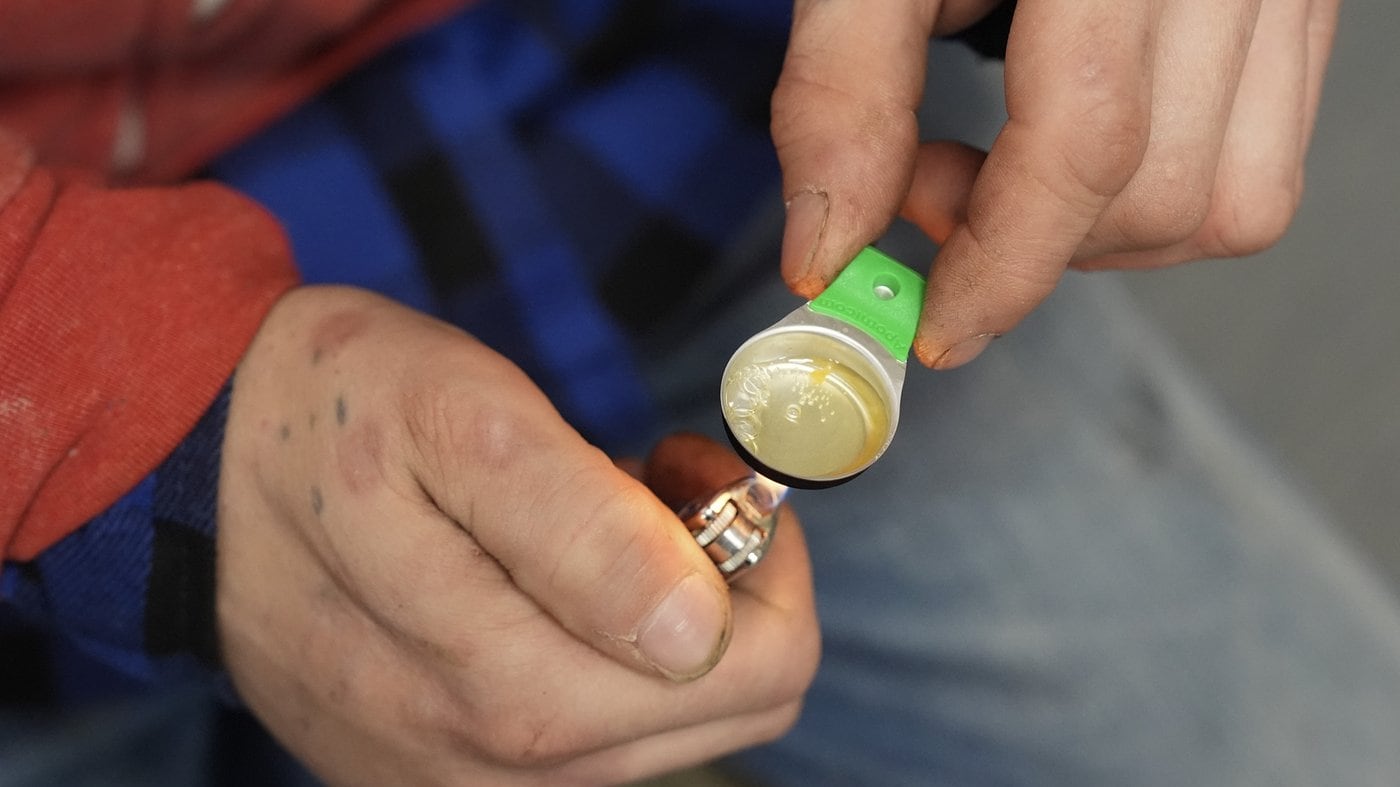
Benzo-dope has reemerged as the dominant drug being detected in Toronto’s highly volatile opioid supply, as overdoses rise in the region.
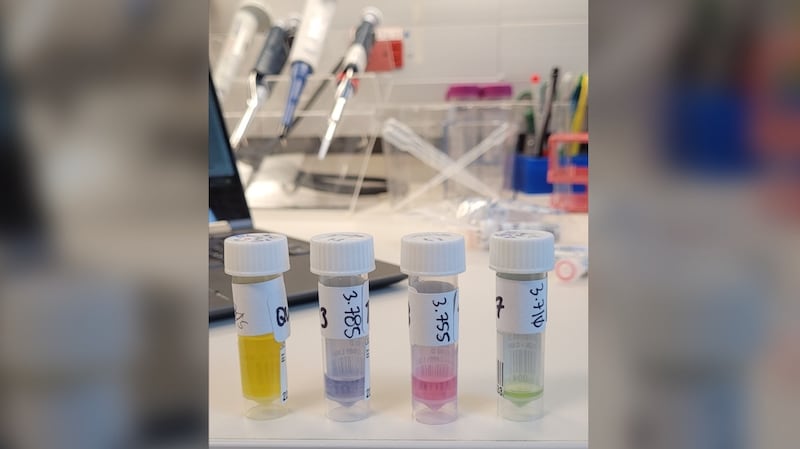
Toronto’s Drug Checking Service said it has detected a “sharp increase” in the number of suspected fentanyl samples containing benzodiazepine-related drugs since late January, with more than 40 per cent containing ethylbromazolam, desalkylgidazepam, ethylflualprazolam, bromazolam, deschlorodemethyldiazepam, desmethylflutiazepam, flualprazolam, and/or nordiazepam.
“We are sharing this update as regions throughout Ontario, such as Toronto, Windsor-Essex, Chatham-Kent, and Sudbury, are reporting rising fatal and non-fatal overdoses,” the service said on March 4, noting similar trends are also being seen in suspected fentanyl samples collected in other regions participating in its new provincial public health and safety program, including Kingston and Peterborough.
“We suspect these increases may be associated with the growing presence of benzodiazepine-related drugs alongside medetomidine and high-potency opioids in the unregulated fentanyl supply.”
Little known about effects of benzo-dope
Formally known as benzodiazepine, benzo-dope is a central nervous system and/or respiratory depressant.
What makes it concerning, says Toronto’s Drug Checking Service, is that very little is known about its strength or the duration of its effects, especially when it is consumed with strong opioids and vet tranquillizers.
The toxic cocktail can, among other things, increases the risk of harms, notably overdose and extreme sedation, increases the risk of dangerous suppression of vitals, like slowing down of breathing, blood pressure, heart rate, and complicates overdose response.
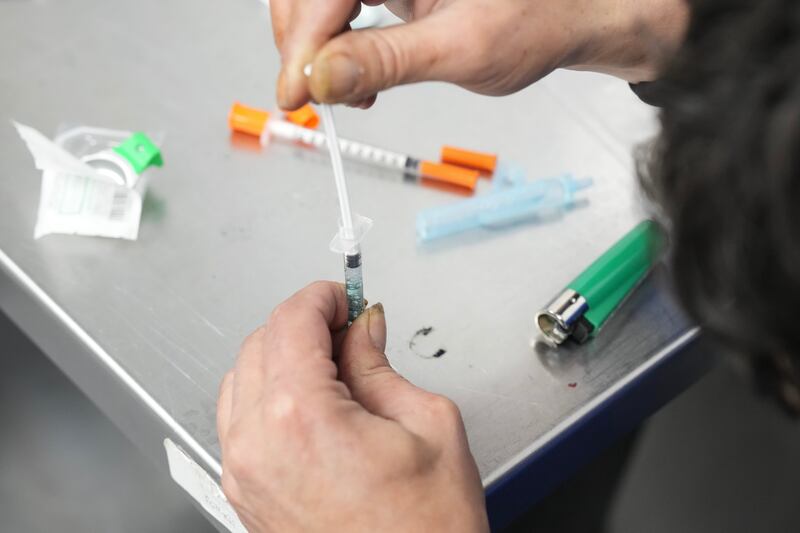
Animal tranquillizers previously dominated Toronto’s drug supply
And while this more recent toxic combination isn’t new, there was a long stretch of time when benzo-dope wasn’t being detected in such a notable way in Toronto’s fentanyl supply, says the city’s drug-checking service.
Last July, Toronto’s Drug Checking Service released an update on the status of benzodiazepine in the city’s unregulated supply, noting that veterinary tranquillizers looked to be replacing benzodiazepine-related drugs.
According to the service, from May to December 2025, fentanyl samples were found to contain on average 14 per cent benzodiazepine-related drugs, compared to 67 per cent that contained an animal tranquillizer known as medetomidine.
“We have not observed this degree of benzodiazepine contamination since October 2024, with almost all fentanyl samples containing a benzodiazepine-related drug also contained medetomidine (samples have more commonly contained one or the other),” it said in the update.
‘Extreme and extended periods of sedation’
Over at Street Health’s overdose prevention site on Dundas Street East, this data is being reflected in real time as clients who stop by to safely consume drugs are experiencing “extreme and extended periods of sedation,” explained supervisor Matt Johnson.
He said for the last several months, harm reduction staff at the donation-funded service have seen people experiencing long periods of sedation, shallow breathing, and extremely low heart rates after consuming what they believe to be fentanyl, but is instead a toxic cocktail of opioids and powerful animal tranquillizers.
Those effects have gotten even worse over the last month or so as benzodiazepine becomes increasingly prevalent in the supply, Johnson said.
“People are with us for hours. They’re completely out, unrousable,” he said, adding that this is especially concerning for people who use drugs out in the community who can fall victim to robbery and assault due to the lengthy periods of sedation they experience after taking street drugs.
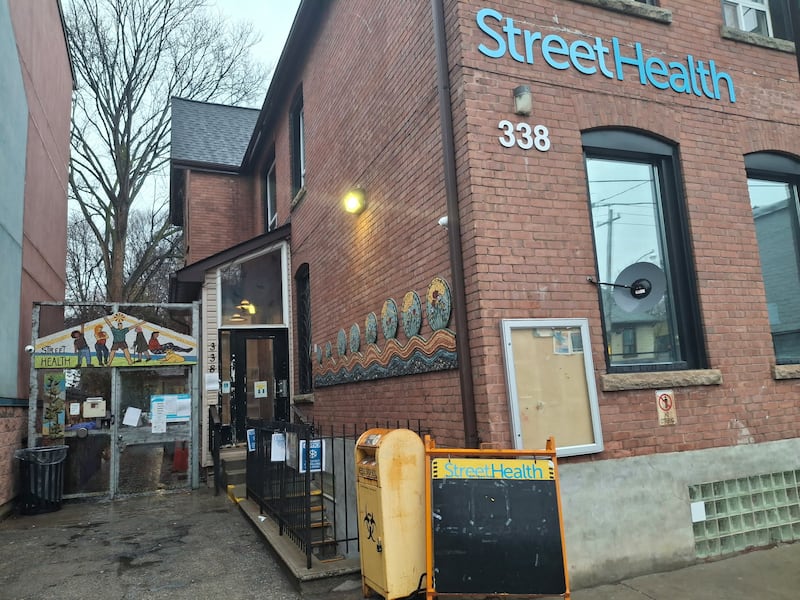
Johnson, who has worked in the sector for two decades, went on to say that the highly complex composition of the drug supply has meant they’ve had to change the way they respond to people believed to be experiencing an overdose.
“This is a big change from before and it’s slowing down the number of people we can help,” he said.
Naloxone and oxygen are no longer the only way to help people experiencing an overdose, Johnson noted, adding calls to paramedics for additional support are growing increasingly common.
He added that people who consume this cocktail of substances also often experience “severe and potentially dangerous” withdrawal symptoms that require hospitalization.
Johnson said the recent increase in animal tranquillizers in the unregulated drug supply also poses significant risks, as there isn’t much information available on their effects on the human body.
All of this is compounded by the fact that several of the city’s supervised consumption services have shut down over the past year or so, despite reports showing they work, along with no extra support being provided by the province for harm reduction, he said.
What to do if someone is experiencing a drug overdose?
Anyone who suspects that someone is experiencing an opioid-related overdose involving medetomidine and/or benzodiazepine-related drugs is advised to use naloxone and “prioritize breathing.”
It should be noted, however, that naloxone may not reverse an overdose if a person has consumed fentanyl containing medetomidine and/or benzodiazepine-related drugs.

