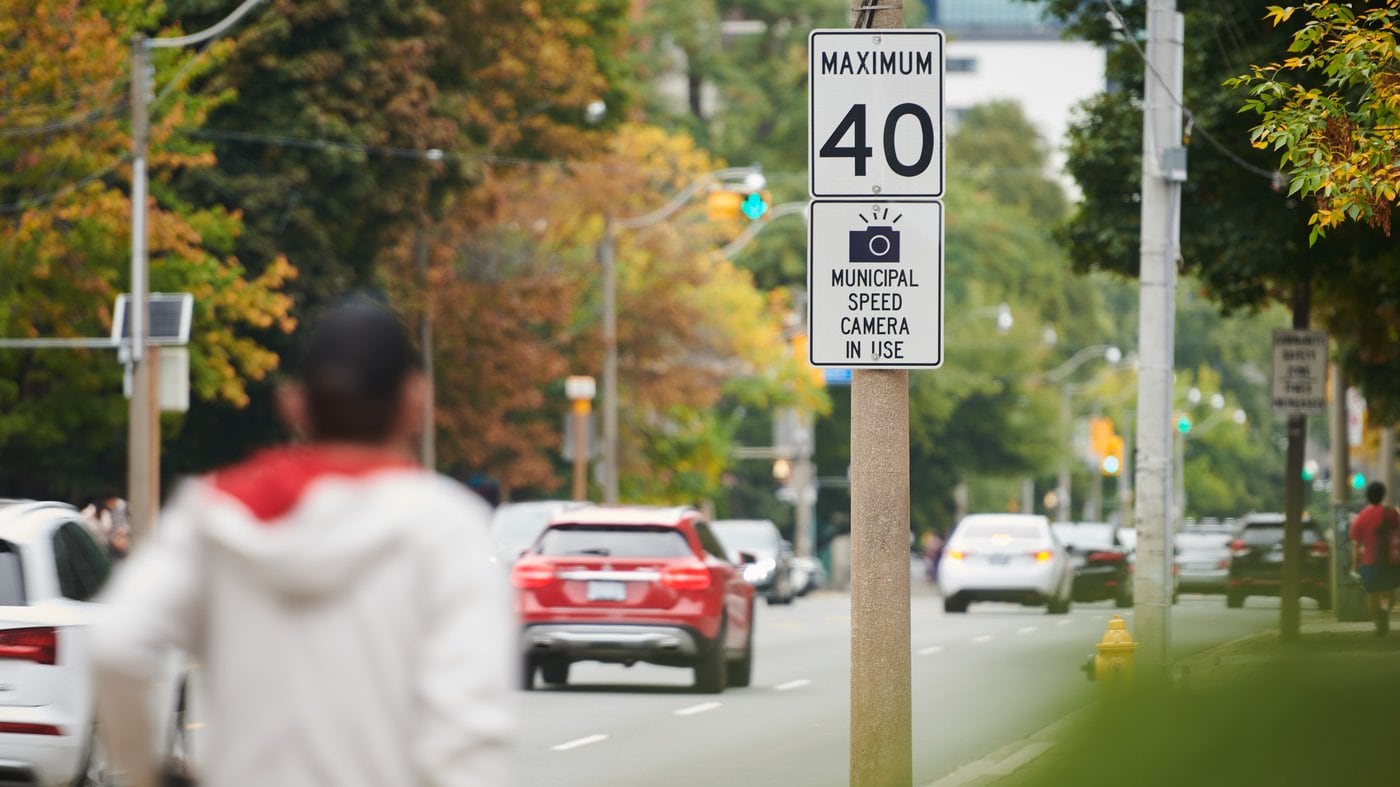
A sharp rise in speeding following the removal of automated speed cameras should come as no surprise, advocates and transportation experts say, arguing that the city’s latest data reinforces what research has shown for years.
A city report released earlier this week found the number of drivers travelling at least 16 km/h above the posted speed limit increased by 380 per cent after speed cameras were removed in November 2025. Already, the findings have renewed calls from politicians and experts demanding that the province restore the program.
In an interview with CTV News, some experts say the need for studies is over, and that meaningful action is what’s critical to curb the numbers.
“We don’t need any more reports. Reports have been done to death... You don’t need to study these things, they’ve already been studied a long time ago all around the world, we know what the solutions are,” said Faraz Gholizadeh, longtime road safety advocate from the group Safe Parkside. “All we need is the commitment and political will to implement those solutions.”
‘Completely predictable’
The report found driver behavior had changed drastically, with increased speeds at 101 of 104 locations studied after cameras were removed. It also showed a 270 per cent increase in drivers travelling 11 km/h to 15 km/h above the limit and a 94 per cent increase among those travelling less than 10 km/h above it.
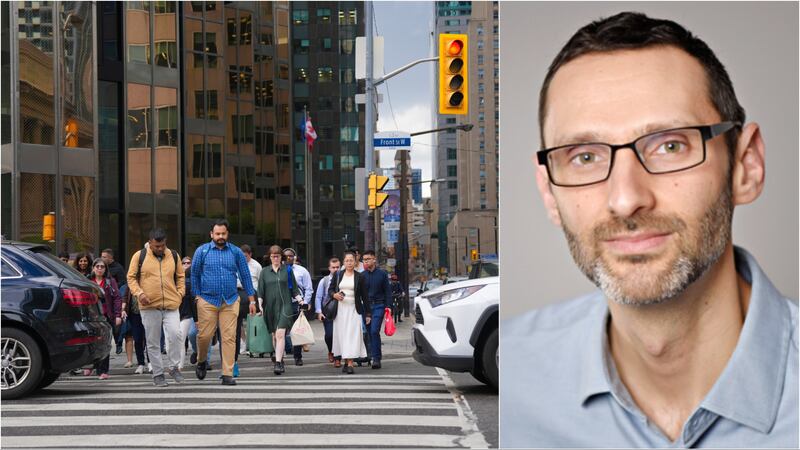
“The data, so far from what I can tell, looks conclusive that speeds are up, and we’re having safety issues on our roads, and no one likes an ‘I told you so,’ but this was completely predictable,” said Matti Siemiatycki, director of the Infrastructure Institute at the University of Toronto, who spoke to Newstalk1010.
“The speed cameras may not have been loved, but they were working, and what you’re seeing is now that they’ve been removed, people feel much more freedom to travel above the speed limits,” Siemiatycki said.
More deaths, slowly picking up
The report notably found 25 fatal collisions occurred on Toronto roads between Dec. 1, 2025 and May 31, 2026, up from 20 during the same period a year earlier.
“It’s concerning, and we’re starting to see an uptick in the number of fatalities on our roads, which is really the wrong direction for the city,” Siemiatycki said.
He noted Toronto’s Vision Zero strategy helped reduce annual traffic deaths, which noticeably peaked at 78 in 2016.
“For this to be ticking back up is just the wrong direction, and it’s so sad,” he said.
Cameras versus road design
Both Siemiatycki and Gholizadeh said speed cameras should not replace safer street design, but argued they remain an important enforcement tool.
“Road design is still the most effective way to reduce speeding,” Gholizadeh said. “Speed cameras are very nice to have and do have very positive effects, but they’re not the permanent solution.”

Siemiatycki also agreed that more traffic-calming measures are needed but said speed bumps are not practical on many major roads.
“Can you picture that on Finch or on Steeles or on Bathurst?” he said, acknowledging that it would be difficult for emergency vehicles to pass through with that type of infrastructure. “That just doesn’t make sense.”
“We have to use all the tools at our disposal, and the speed cameras were working. They’re one tool in the toolkit,” he noted.
‘Cash grab rather than a safety tool’: spokesperson
Ontario Premier Doug Ford has long called the devices a “cash grab” through much of last year. However, Gholizadeh dismissed suggestions that the cameras were merely a revenue source.
“They want to call speed cameras a cash grab, where in reality they’re a life-saving tool that has now been taken away from communities, from our schools, from our parks, and it’s devastating,” he said.
“The very obvious effect of removing those speed cameras… is a nearly 400 per cent spike in speeding.”
In a statement to CP24 on Thursday, Dakota Brasier, a spokesperson for the office of the Ministry of Transportation, echoed the premier’s sentiments.
“Too many municipalities were using speed cameras as a cash grab rather than a safety tool,” Brasier said, claiming that a single camera in the city issued more than 70,000 tickets and $7.5 million in fees.
She pointed out that the city got more than $10 million from the province’s Road Safety Initiative Fund (RSIF) to install speed bumps, roundabouts and other measures to slow drivers down.
“They have not submitted their application to unlock further funding through the RSIF which would enable them to put additional traffic calming measures in place to protect children and families,” Brasier said.
The comments also follow a similar tone from Minister Prabmeet Sarkaria himself at a press conference on Wednesday.
“Our position has always been that if we want to reduce speeding on, whether it is Parkside (Drive) or other roads where safety if a concern, we need to install infrastructure like speed bumps. One hundred per cent of the time if you have a speed bump there, you will not be able to speed and you will not be able to get at a higher speed,” he said.

