The rising costs of diesel is driving up delivery prices, which is having a notable impact on Toronto’s largest food bank.
Since the Straight of Hormuz closed earlier this year, the higher costs of delivery is making it more expensive to feed the thousands of people who rely on the service.
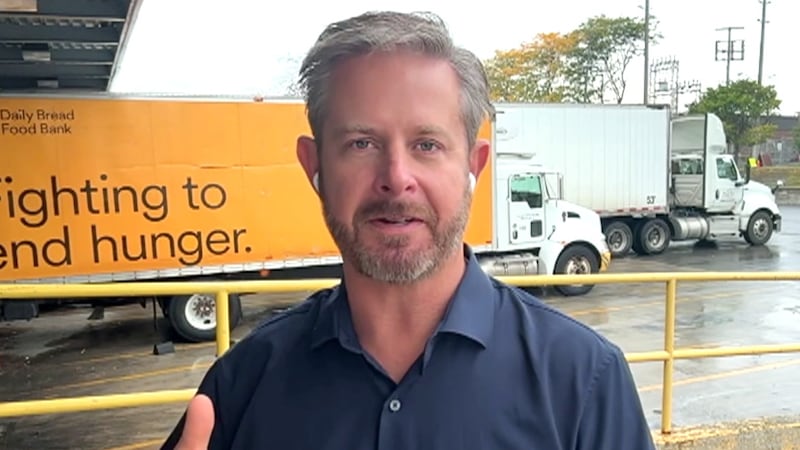
Daily Bread Food Bank CEO Neil Hetherington told CP24 on Thursday that the current situation is a “crisis on a crisis on a crisis.”
“We were already serving one in 10 Torontonians, and that is unacceptable,” he said.
To add to the severity of the situation, the charity has had to spend more than $22,000 on diesel fuel between March and August, than it did for the same period a year earlier. Hetherington said that works out to an additional $88,000 a year.
“That is having a direct impact just on our transportation, let alone our cost to purchase food as farmers have increased input costs,” Hetherington said.
As a result, the money being spent on higher diesel fuel is taking away from money being spent on food.
- How to set CP24 as your preferred source on Google
- How to set CTV News as your preferred source on Google
He said the money going into diesel means 22,000 fewer meals from people who need it.
What the next mayor will need to consider
Hetherington recently hosted a mayor’s debate at the food bank. He said there’s been encouraging changes in the past few years, like the mayor’s decision in 2024 to declare a state of emergency when it came to food insecurity across Toronto, as well as the student nutrition program.
However, he said there are other policies the candidates have to consider, like making sure city lands are dedicated to building affordable housing and committing to inclusionary zoning and density bonusing.
“When you have affordable housing, when you have a decrease in precarious employment, and a lobbying of the province to take care of people on disability, when you put those three things together, I think we’re going to start to see a city where everybody can thrive, and that’s what I’m going to be pushing for,” Hetherington said.

