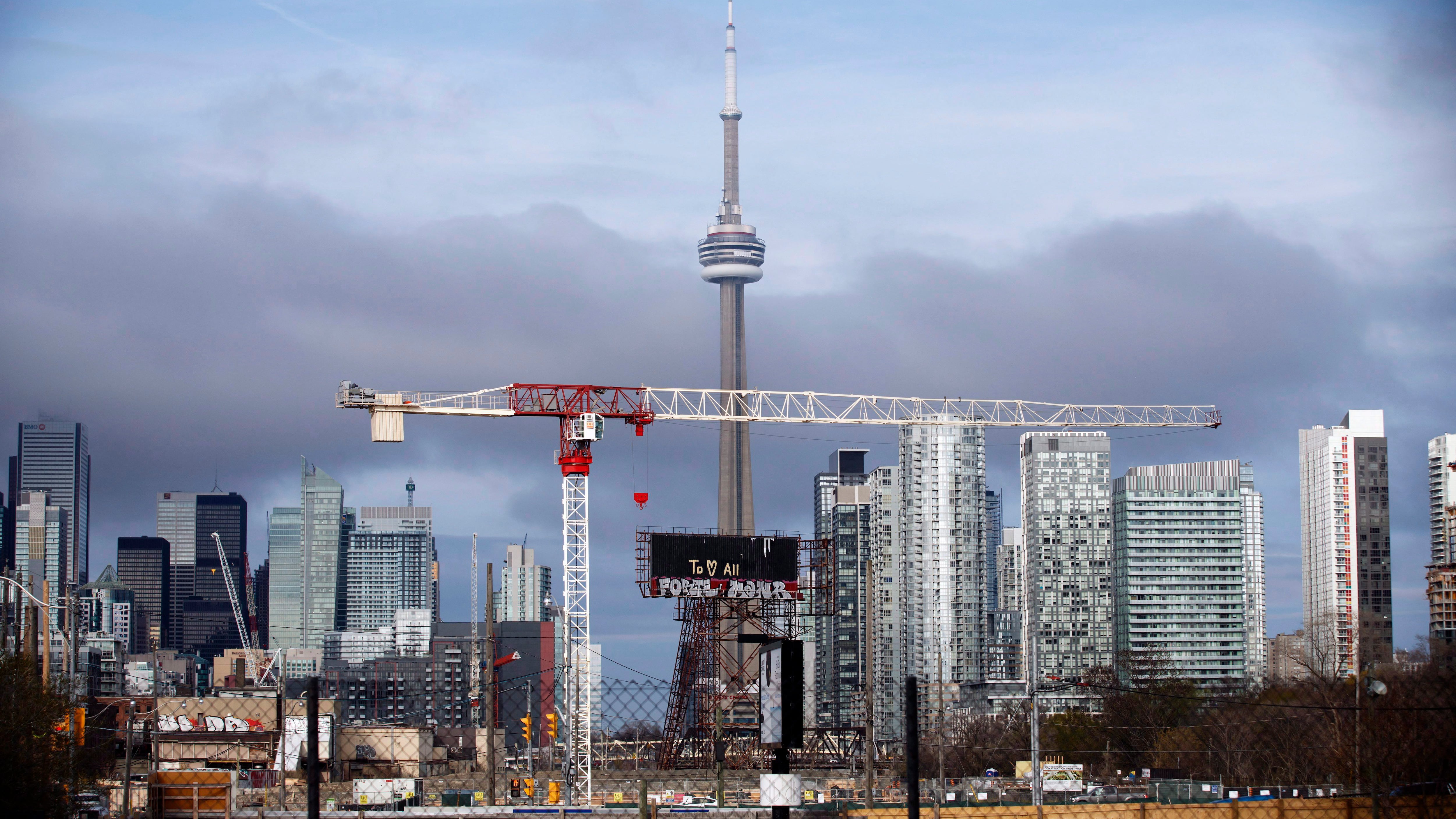
Bulk purchases by investment groups snapping up new condo units in the GTHA is playing a “major role in the recovery” of new condo sales in the region, according to a new report.
In the report, released this week, Urbanation said new condo apartment sales in the GTHA in the third quarter of 2026 “doubled” year-over-year to 760 units, marking the second consecutive quarter of growth.
The report credits HST relief and bulk sales as the main reason for the boost in activity.
“Bulk sales continued to play a major role in the recovery. Investment groups acquired 339 units in bulk transactions in Q3, accounting for 45% of total new condo sales,” the report read.
“As a result, sales at completed buildings reached a record high of 648 units in Q3, representing a record 85 per cent share of total new condo sales.”
John Pasalis, president of Move Smartly Realty Inc., said builders are sitting on thousands of completed and unsold units.
“Normally when a builder builds a project, they usually keep a few units back, maybe 10 or 15 per cent that they sell on completion. So there was that inventory, but also a lot of people who bought preconstruction condos five years ago and were scheduled to close now can’t afford to close,” he told CP24.com
“They either can’t get a mortgage, the prices declined, they won’t qualify, so they basically defaulted on their deals. So this is adding to the builder’s inventory. This inventory is piling up and hard to sell because the price people paid for five years ago, those preconstruction prices, are way above what those units are worth today. So nobody wants to buy them effectively.”
- How to set CP24 as your preferred source on Google
- How to set CTV News as your preferred source on Google
He said when the government removed the HST on the units, it allowed builders to cut the price.
“Builders have to slash the price considerably to even sell any of them so what’s happening right now is just there’s not a lot of appetite from end users, people just aren’t buying condos,” Pasalis noted.
“Some of the bigger drivers right now are investment firms basically that are bulk buying condos, and they’re negotiating steep discounts with the builders who want to unload these because they don’t want to sit on empty units.”
He added that builders are paying to carry the units so they are doing what they can to get the units off their books.
“I think many of them (bulk buyers) are just buying to rent them out with the expectation that they’re going to sell them, whatever it is, five plus years down the road for a profit,” Pasalis said.
“They’re just buying them as an investment effectively, hoping that they’re getting a big enough discount today that the rent will cover all their expenses, but also they’ll get a capital gain and sell them for more money five years down the road.”
He said the number of units scooped up by investment firms ranges from 10 or 20 units to thousands of unsold units.
“Some of them are small family offices buying 10 or 20 units. Others are… one of the big ones that has been in the news is a company called High Art Capital that got effectively funding from the province to go out and do this,” Pasalis said.
“So they’re buying, I think they said they’re going to buy thousands of units.”
In May, Montreal-based Jesta Group also announced its acquisition of about $500 million worth of unsold units condos in Toronto’s downtown core as part of a strategy that will target more than 1,000 properties in the city.
‘A significant shortage by the end of the decade’
Despite the uptick in sales thanks to bulk buying, the Urbanation report notes that Q3 numbers are still 78 per cent below the latest 10-year average for third quarter periods.
It adds that pre-construction sales continue to flounder with just 60 units sold in the third quarter, the “12th consecutive quarter of annual declines.”
“Two straight quarters of higher sales show that buyers will step in at the right price. Bulk investors are acquiring completed units at heavily discounted prices, which is helping to manage standing inventory,” Shaun Hildebrand, president of Urbanation, said in a written statement.
“But with the pre-construction market remaining dormant and construction starts at historic lows, the supply pipeline is drying up, setting the market up for a significant shortage by the end of the decade.”
Pasalis said new construction condo sales will not see a significant surge “any time soon.”
“The price that consumers are willing to pay does not match what builders need to sell for to actually make a profit. So the cost to build a condo, to take on the risk to make a profit, significantly exceeds what people will pay today just based on what they can get in existing cost,” he said.
“What this is doing is allowing builders to clear their inventory, close up their deals, and many of them will just take that capital, maybe use it to build purpose-built rental, but it’s not going to do anything with respect to new condo sales going forward.”
With files from CP24’s Phil Tsekouras

