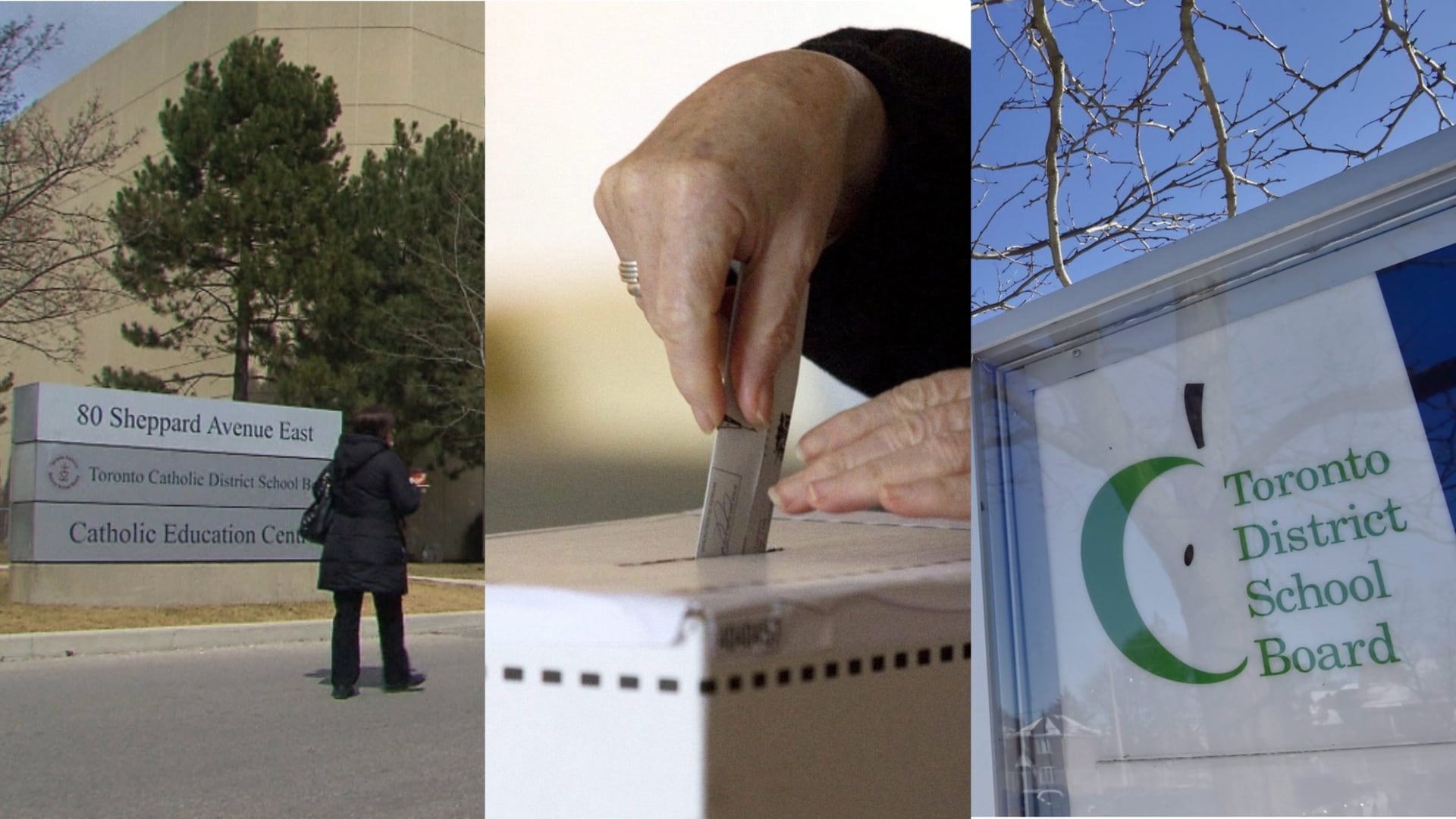
It may be a powerless job – for now – but the role of trustee at eight of Ontario’s school boards under supervision is one hundreds are vying for.
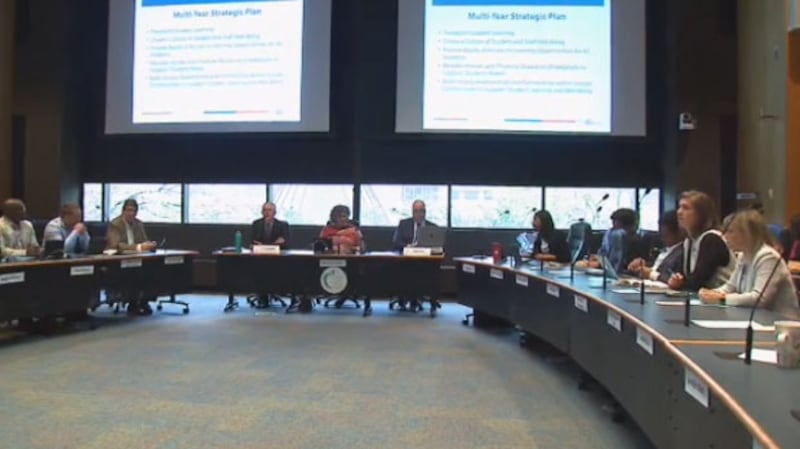
At this time, the Toronto District School Board (TDSB), Toronto Catholic District School Board (TCDSB), Peel District School Board, York Catholic District School Board, Dufferin-Peel Catholic District School Board, Ottawa-Carleton District School Board, Thames Valley District School Board, and Near North District School Board are being led by appointed supervisors amid allegations of financial mismanagement, budget deficits, infighting, and governance failures.
Trustees at these boards can’t receive board emails or calls or attend board meetings. They’re also prohibited from officially engaging with parents/guardians.
A new change to the Education Act means those elected on Oct. 26 for those eight boards won’t be sworn in until the province ends its supervision as only the Minister of Education or the appointed supervisor are permitted to call the first meeting of a newly elected school board. Normally, newly elected trustees are sworn in shortly after an election.
There is still no timeline for any of the boards to come out of supervision.
- How to set CP24 as your preferred source on Google
- How to set CTV News as your preferred source on Google
Candidates weigh in
CP24 reached out to all TDSB and TCDSB trustee candidates whose email address is listed on the City of Toronto’s 2026 Municipal Elections webpage.
Here are some of their thoughts:
“I decided to run for trustee because public education matters to me, and I don’t think it should be put on hold, even when trustees have limited authority,” Saherla Osman told CP24.
“The provincial government’s decision to give the Minister of Education control over when newly elected trustees can begin their terms is concerning because it raises questions about democratic representation. People vote for trustees because they want someone who will represent their communities and speak up for their children. Even with the limitations being placed on trustees, I’m still committed to advocating for students and families and making sure their concerns aren’t ignored.”
Anu Sriskandarjah says stepping forward to run for school board trustee during this period of state supervision is an “act of democratic preservation.”
“Running now is a clear declaration that local governance matters, that public schools belong to the communities they serve, and that parents, educators, and residents must have a seat at the table,” she said.
“In an embattled or supervised board, the role of a trustee must shift from routine administrative oversight to becoming a fierce advocate for community transparency and equity.”
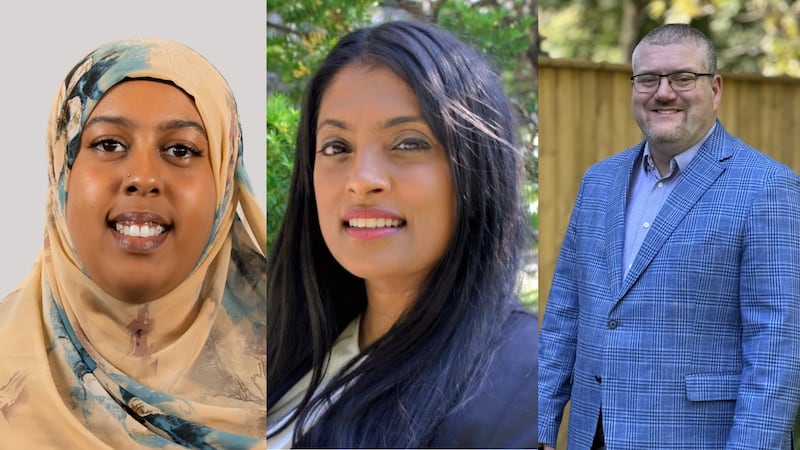
Andrew Waters agreed, saying while the provincial supervision has created uncertainty about when newly elected trustees will be able to exercise their responsibilities, it has not changed the need for local democratic representation.
“I recognize that I may not be sworn in until provincial supervision ends, but I am not running simply to occupy a seat at the board table. Whether or not I am elected, and regardless of when trustees are permitted to take their seats, I will continue to contribute my experience, knowledge, and passion to supporting school councils, parents, and school communities in improving the educational experience for every student,” he wrote.
“My commitment to public education does not begin or end with holding elected office. Provincial supervision may suspend the authority of trustees, but it should not silence the voices of the communities they are elected to represent.”
‘Students, parents, and educators deserve a voice’
Matias de Dovitiis says regardless of the province’s attempts to diminish the role of elected trustees, “our students, parents, and educators deserve a voice.”
“The government has provided no clear timeline or conditions for when trustees will be sworn in and allowed to resume their duties. These changes undermine local democracy and leave families without the representation they deserve,” he said, noting even when the formal role of trustees was suspended he continued fighting for students, holding town halls and press conferences and meetings with parents and educators, while also advocating against cuts to programs.
“The absence of formal authority has not changed my responsibility to stand up for our schools and our community. … Regardless of reduced powers, expanded boundaries, or how long the province delays the return of elected trustees, I will continue to fight for our students because that is what they deserve.”
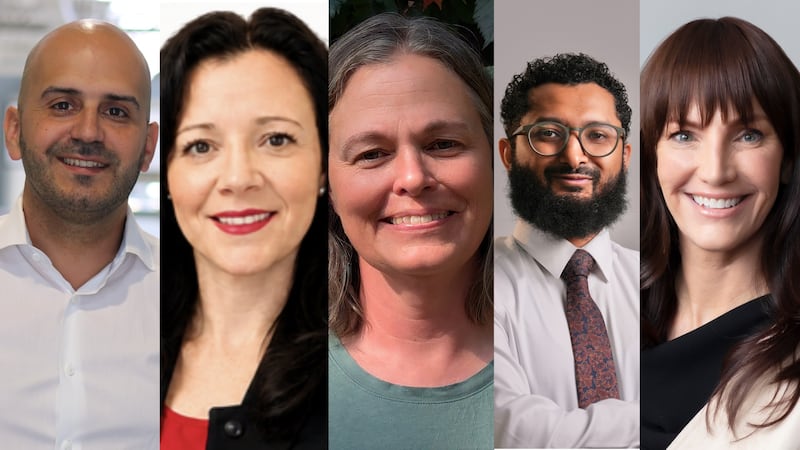
Teresa Colonna said despite being under provincial supervision, “families still need to be heard.”
“I will continue bringing concerns forward, advocating to the province and asking questions about decisions affecting our Catholic schools. I will be ready to serve when the supervision is lifted,” she vowed.
Jennifer Volk says her first goal, if elected, would be to end supervision and bring community voice back to decision making.
“And while advocating to do this, I will continue to build networks across the ward, so I can understand the needs and concerns of the community. And then we can be ready with those demands when supervision ends,” she wrote.
Shaffni Nalir says he understands the TDSB’s financial and governance challenges, but said trustees must also represent families, scrutinize decisions, and ensure their voices are heard.
“Provincial supervision doesn’t eliminate the need for advocacy,” he said.
Marisa Sterling said her role is to be the “eyes and ears of families” by supporting parent councils and community organizations, telling them about government consultations, surveying parent experience, and publishing the results.
“This way the community’s voice will be documented and ready, when local governance is restored,” she said.
Supervision has strengthened resolve
Tim Ellis says this trying time for trustees in the eight affected boards has strengthened his resolve, and demonstrates that those elected for this role must have a “fighting spirit.”
“Doug Ford may be able to take away the statutory powers associated with the trustee role, but nobody can take away the power of passionate, determined people to organize and win change,” said Ellis, who said he intends to still meet with and advocate for students and parents, collaborate with other trustees, and monitor the governance workings of the school district “for now, from the outside looking in.”
“Ford can swing at our local democracy all he likes. Democracy doesn’t stay down, and Toronto doesn’t back down. He’s picked a fight he’s going to lose.”
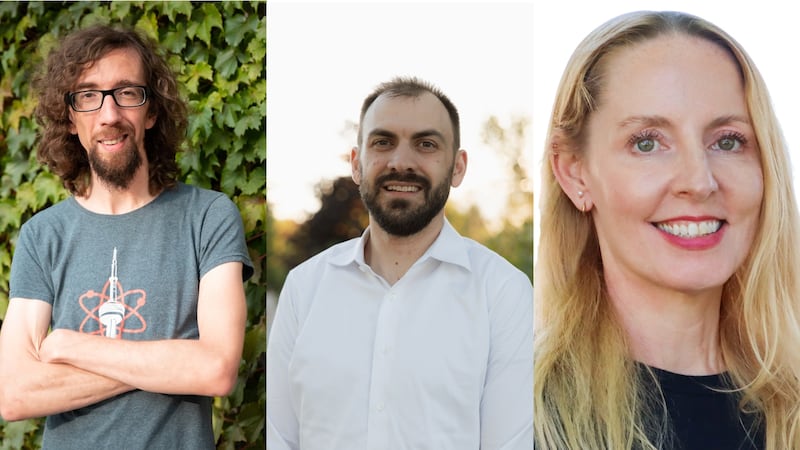
Matthew Zaffino said he feels trustees can play multiple roles in these embattled boards, whether formal power exists or not.
“As a trustee, you are a local representative – that gives you a platform,” he said.
Sarah Smithies says she realizes that this is a not a his is not a regular election, “which is precisely why I felt it was important to run.”
“Currently, there is a two-pronged attack on public education in Ontario; one is the anti-democratic attack on school boards and the second is intentional, chronic underfunding with the aim of undermining public education,” she said.
“While the traditional role of the trustee is to listen to the community, advocate for families, students, and educators, given the current crisis, trustees must be prepared to work both inside and outside of the system to fight for public education.”
Trustees can still represent parents, province says
In a statement, Emma Testani, a spokesperson for Ontario Education Minister Paul Calandra, said the province agrees that the decision to hold “school boards accountable” does not prevent trustees from representing parents and their communities.
“Trustees have repeatedly said they are elected to represent parents, protect public education and ensure students receive the education they deserve, and they remain fully able to do so under the Putting Student Achievement First Act,” Testani said in a written statement.
“Our legislation ensures school board resources are spent as intended, on student success, by restricting unnecessary trustee spending, strengthening financial oversight, introducing qualified professional leadership, and putting safeguards in place to prevent the kind of dysfunction that has plagued some school boards and threatened critical supports for students.”
She noted that the boards were put under supervision due to “serious financial mismanagement and governance concerns.”
“These cases demonstrate the need for stronger accountability to protect students and taxpayers,” the statement read.
“If improving student achievement remains their priority, there should be no objection to measures that protect public funds, improve decision-making and help school boards better serve their communities.”
Trustees have many roles
Tasha Kheiriddin is calling on the province to return control of the TDSB to its newly elected trustees as soon as possible.
“The public is electing them for a purpose. Our schools are facing serious challenges,” she said, pointing to violence and bullying are disrupting classrooms, too many students struggling with basic literacy and math, and aging buildings that are falling apart.
“I have visited thirty schools during this campaign, and parents are frustrated by their inability to make their voice heard on these issues. Ultimately, this election is about whether communities still have a meaningful say in public education. Trustees should be advocates, watchdogs and problem-solvers.”

Rosanna Araujo agreed, saying trustees “must be more than decision-makers.”
“They must be strong, visible advocates who work alongside parents, educators, city councillors, MPPs, and community organizations. When local voices are being sidelined, collaboration and community mobilization are more important than ever. My years in the non-profit sector showed me that real change happens when people organize, build relationships, and refuse to be ignored,” she told CP24.
Candidates say they aren’t powerless
Carey Depass says he doesn’t believe that trustees are powerless, saying that being elected gives him the right to speak on behalf of the 217,000 people of newly combined TDSB Ward 9-Don Valley North-Scarborough Agincourt.
“I will speak up, talk to the media, agitate, thump on drums, argue and demand to whoever will hear it that power must be given back to the people. Like minded representatives can convene a rump, shadow school board if necessary,” he said.
“These measures can be taken whether we are sworn in or not. My anger and disgust at our democratic rights being taken away gives me the power to demand and resist.”
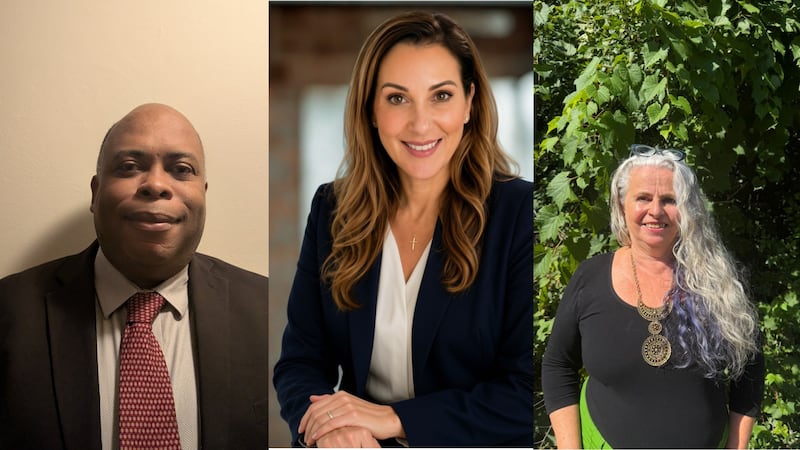
Sara Concordia agreed.
“I don’t agree that trustees are powerless. Yes, their authority has been significantly limited, but that doesn’t mean they don’t have a responsibility to the families who elected them,” she said, adding her priorities haven’t changed because of supervision.
“I didn’t enter this race because I was looking for power. I ran because I believe things need to change. If anything, the current situation makes me more determined. … I believe leadership means showing up, asking difficult questions, and standing up for the people you represent, even when the circumstances aren’t ideal.”
Karen Emerson shared a similar view.
“Trustees may have lost their formal powers, but they have not lost their voices, their responsibilities, or their ability to mobilize communities,” she said.
Role remains relevant
Jared Kolb said while trustees may be sidelined for some time, their role isn’t irrelevant.
“In many ways, it makes it more important. The decisions made during supervision will shape our schools for years to come, and our communities deserve elected representatives who are prepared, informed, and ready to advocate for students from day one when local governance returns,” he said.
“If I’m elected in Toronto-Danforth and Spadina-Fort York, one of my first priorities will be working with the other 11 elected trustees to begin hosting monthly public forum meetings with media participation and get to work. Though the province won’t formally welcome us back, it doesn’t mean we can’t begin building consensus on critical issues important to parents and caregivers, students, teachers and administrators across the TDSB.”
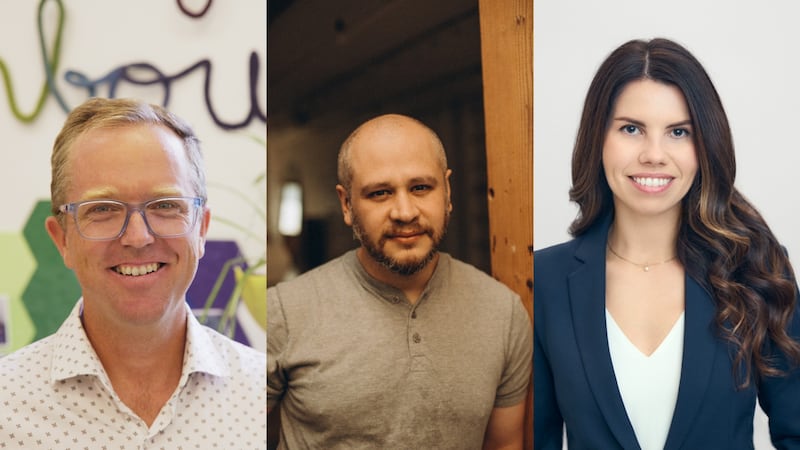
Axel Arvizu says while the immediate authority of trustees may be limited, it doesn’t make running for office “pointless.”
“An election is an opportunity for residents to make their voices heard, demand accountability, and choose the people they want representing their communities when local governance is restored. I believe the role of a trustee extends beyond voting on motions: it includes listening to families, asking difficult questions, advocating for students with special needs, supporting literacy and academic achievement, promoting safe schools, and ensuring that public funds are spent responsibly,” he said.
“Ultimately, I’m running because local representation matters, especially during a period when public confidence in school governance is under strain. Trustees should be a meaningful connection between families and the education system—not simply figureheads. … I want to help rebuild trust in public education and ensure that students, parents, and communities remain at the centre of the decisions that shape our schools.”
Jocelyne Poirier says she’s running “because the decisions being made today will shape our schools long after supervision ends.”
“I understand that, while supervision continues, I would not have the formal decision-making authority normally associated with the role. But I can still listen to families and educators, raise concerns with the supervisor and provincial government, and advocate publicly for what our schools need,” she said.
“I would be honest with residents about those limitations while doing the work available to me to ensure their concerns are heard.”
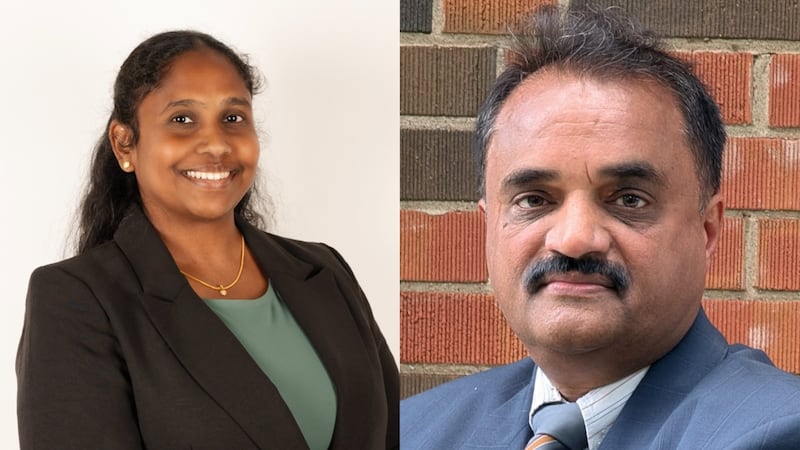
Mary Cury Paul said while supervision may limit what trustees can do for now, it doesn’t change why the role exists.
“When the board is under supervision, families need to see that local voices still matter and that someone is ready to step in. Trustees are the direct link between the board and the families it serves,” she said.
Ketan Purohit echoed her thoughts.
“I am running because I want to make a positive and lasting difference in the lives of our children and the future of our communities. I see the role of trustee not simply as a position, but as a responsibility to listen, advocate, ask the right questions, and work collaboratively to achieve measurable improvements,” he wrote.
Trustees are elected officials regardless
Maria Rizzo said she’ll do her job as an elected official, whether Calandra “likes it or not.”
“He may have taken control of the board, shut trustees out of schools and the boardroom, stripped us of our board emails, cut our pay to pennies and approved $350,000 a year for a part-time supervisor. But he does not get to decide whether parents are heard. We are elected trustees,” she said.
“No more closed doors. No more runaround. Students and families will be heard. The Ford government can sideline trustees, but it cannot erase the public’s voice.”
Jennifer Di Francesco underlined that trustees are elected to “represent (people) and make decisions about their children’s education.
“In my view, having the Minister of Education remove their decision-making authority undermines that democratic process: one elected official is preventing other elected officials from carrying out the responsibilities their communities elected them to fulfil. Accountability matters, but it must include accountability to voters,” she said.

Ida Li Preti says she’s “deeply disappointed” that the Ford government has taken away the “local voice of parents, schools and students.”
“But whatever the government decides, I was elected to do a job, and my community put their trust in me. I take that seriously,” she said.
“I don’t need a trustee title to listen to a parent, bring people together or help a student. I’ve continued doing that under supervision, and if re-elected, I’ll keep finding ways to get it done.”
Christopher Mammoliti said elected trustees “do not need to be told we are allowed to advocate for the future of our students and communities; we simply need the leadership, experience, and willingness to stand in during the difficulty challenges to come.“
“This municipal public election is a validation of elected voices, whether we are ultimately sworn in or not. We have many community stakeholders who will stand in support of public education and partner together with one voice,” he said.
“We can also ensure that during the next provincial election, our community and voters remember the decisions that are being made today with whatever non-partisan collaboration is necessary.”
Incumbent Markus de Domenico, meanwhile, says despite his board being under provincial supervision he has continued to receive and answer dozens of calls and emails and have one-on-one conversations with parents who want the best education for their kids.
“Supervision has created an enormous gulf between parents and the boards. A good, hard-working trustee will fill that gap and be an invaluable resource for parents,” he said.
Trustee role, responsibilities reduced
Overall, the role of trustees in Ontario has been pared down with the introduction of the Putting Student Achievement First Act, which was passed and came into effect on May 7.
While they will remain in place at all Ontario school boards, trustees will have less responsibilities and there will be a maximum of 12 of them per board. English-language school boards will also be led by a chief officer in charge for budgets and negotiations and a chief education officer for overseeing student achievement.
Further, discretionary spending for trustees is also being chopped along with $10,00 annual pay cap.
CP24 contacted the Ontario Public School Boards’ Association and the Ontario Catholic School Trustees’ Association for comment but had not heard back at the time of publication.
Calandra said back in the spring that trustees will not return until the supervisors are able to put the boards “back on the right track, full stop.”
“As long as it takes to have them into a balanced budget system, as long as it takes to ensure that not only are they in a balanced budget but they are rebuilding their reserves, as long as it takes to make sure the communities are confident the boards are prepared to put students parents and teachers first,” he said in April.
“They will not be returned a minute before.”

