An Ontario cancer patient says she was left with no choice but to take an Uber to the hospital after she says a 911 operator told her she didn’t sound “sick enough” to dispatch an ambulance.
“I was just in shock,” said Felicia Giordanella, of East York.
Giordanella is a 63-year-old cancer patient who says she’s never had to call an ambulance before in her life, and she was shocked when she finally needed one to be told she wasn’t sick enough to require one.
This past May, Giordanella recounted how she was sick for almost a week, dehydrated and barely able to walk. She called 911 to request an ambulance take her to the hospital.
“I had been sick for five or six days with post-chemo side effects and what I imagine was some gastro virus illness. It was really quite serious,” Giordanella said.
However, after speaking with a 911 operator, Giordanella said she was told her symptoms were not serious enough and an ambulance would not be dispatched.
“At the end of it she said we can’t send an ambulance, you’re not sick enough,” said Giordanella, recounting what the operator told her.
Giordanella recalled the struggle she went through to call an Uber to take to the hospital and said during the ride she was worried she was going to get sick in the vehicle.
When she got to the emergency room, she was hospitalized for three days, and nursing staff were surprised she was refused an ambulance.
“The triage nurse was appalled and couldn’t believe they had denied me an ambulance; that’s how sick I was,” said Giordanella.
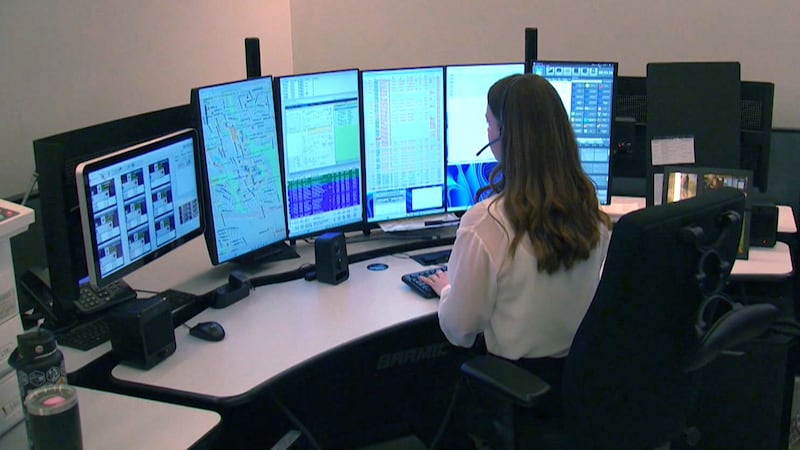
After she was discharged, Giordanella filed a complaint with the City of Toronto, but four months went by and she did not receive a response.
“I still can’t believe it that they didn’t come. It’s a crazy situation, and they still haven’t answered me to let me know what happened,” Giordanella said.
- How to set CP24 as your preferred source on Google
- How to set CTV News as your preferred source on Google
Every year, the demand for Toronto emergency services is increasing with Toronto Paramedic Services responding to about 390,000 emergency calls in 2025.
Ambulances are for medical emergencies that pose an immediate threat to life and require rapid intervention due to shortness of breath, chest pains, or severe bleeding.
With the increase in demand, paramedics say to only contact 911 if there is an immediate threat to your life.
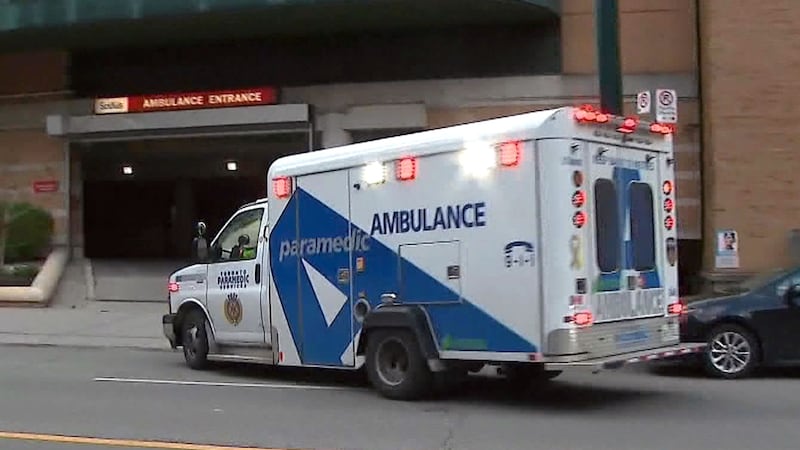
Established procedures followed: paramedics
CTV News reached out to Toronto Paramedic Services regarding Giordanella’s matter, and a spokesperson said in a statement that it “takes concerns about patient care seriously, and we appreciate this concern being brought forward. A review of this matter found that the 911 call was handled correctly and in line with our established procedures.”
“Toronto Paramedic Services uses an accredited, industry best-practice system that prioritizes calls based on patient severity and the information provided by 911 callers. Callers who meet specific criteria may be referred to Health811 to speak with a registered nurse and receive guidance about the most appropriate care pathway,” the spokesperson said.
“Regarding this concern, we recognize the time between receiving the complaint and communicating the investigation outcome was lengthy, and we apologize for the frustration this may have caused. Although the investigation confirmed established procedures were followed, we understand the importance of keeping complainants informed throughout the review process,” the spokesperson added.
“To protect patient privacy, Toronto Paramedic Services cannot provide further information about an individual’s medical circumstances or the details of any emergency medical call.”
Giordanella still feels an ambulance should have been called and wanted to share her story to warn others.
“I don’t want other people or myself again to not get the service we deserve,” Giordanella said.

