Canadians handing out chocolate this Halloween may be spooked by prices this year, as experts say rising cocoa costs continue to squeeze households, with some paying more for smaller treats.
With chocolate prices climbing and manufacturers reducing the size of some products, experts tell CTV News that shoppers are increasingly looking for ways to stretch their Halloween budgets, whether that means switching to cheaper candy or shopping at discount retailers.
- How to set CP24 as your preferred source on Google
- How to set CTV News as your preferred source on Google
A Leger survey released earlier this week on Wednesday found 72 per cent of Canadians expect their overall Halloween spending to remain about the same as last year, even as the cost of treats rises.
Richard Powers, an associate professor at the University of Toronto’s Rotman School of Management, estimates Canadians are paying between 12 and 15 per cent more for Halloween chocolate compared to last year.
“They can expect to pay more for less,” Powers said.
In some cases, Dalhousie University’s Sylvain Charlebois noted that the price for chocolate is up 20 to 30 per cent more compared to last year.
Powers said much of the increase stems from elevated cocoa prices following drought and extreme weather that disrupted production, with manufacturers now passing those earlier costs along to consumers.
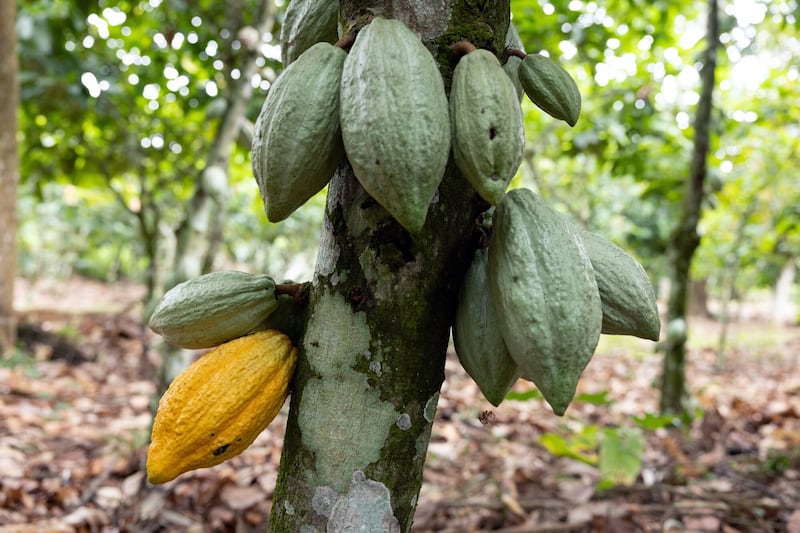
According to Statistics Canada, “every cocoa bean used in Canadian chocolate must be imported.” In 2025, Canada imported over 110 000 tonnes of cocoa beans, worth nearly $170 million, in August alone.
While cocoa prices have started to decline, Powers cautioned that shoppers shouldn’t expect immediate relief.
“Cocoa prices are starting to fall, but those won’t flow through until the current cocoa has been used up,” he said, estimating it could take another 12 to 18 months for lower costs to reach consumers.
Smaller chocolate, same Halloween?
Beyond the higher prices, Canadians may also be getting less chocolate without realizing it.
Powers explained that some manufacturers are reducing the size of individual treats or packages to maintain familiar price points, a practice commonly known as shrinkflation.
For families spending roughly the same amount as last year, he estimates they could receive eight to 10 per cent less chocolate by weight.
“The number of units won’t change. They’ll just be a little bit smaller,” he said.
“Will kids notice it? No, not at all.”
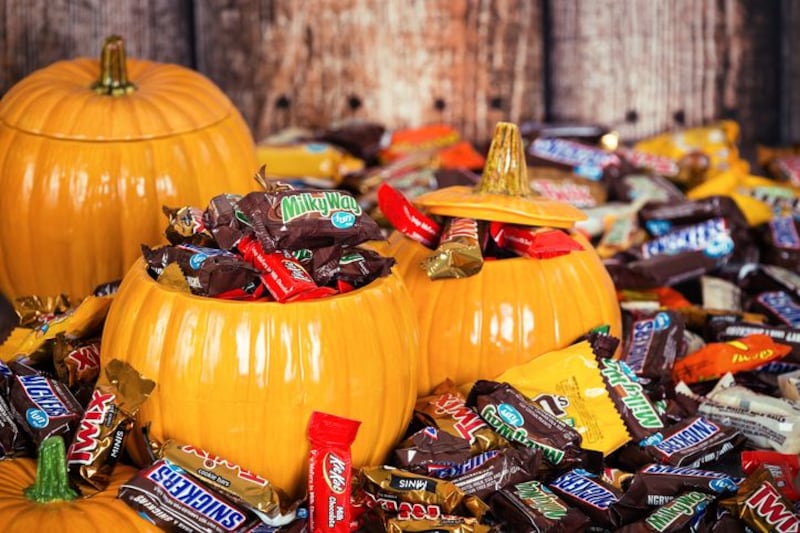
Since 2020, Statistics Canada says Canadians have been paying more for candy, including chocolate bars and gum. Experts suggest prices have increased more than 30 per cent.
Despite the higher costs, Powers doesn’t anticipate that most parents will cut back on Halloween treats, describing the occasion as one where families may be more willing to absorb additional expenses.
“I think parents will bite the bullet on this one and just understand that, along with other food prices, this is just something we’re going to have to figure out a way to handle,” he said.
Are Canadians changing their candy habits?
David Soberman, a marketing professor at Rotman, said the financial pressure is already influencing purchasing decisions, saying that recent reports suggest Halloween candy spending is down approximately 10 per cent across the board.
“Inflation does that because it means that your salary or the money you have on hand doesn’t go as far, but uncertainty also causes people to be less willing to spend,” he said.
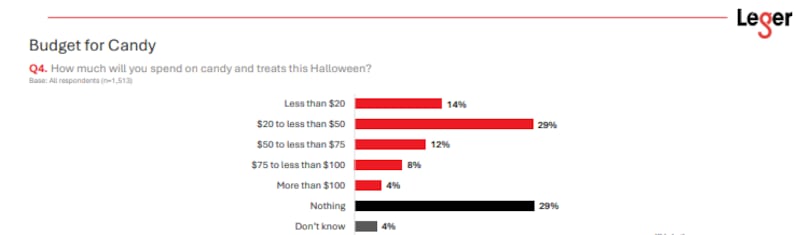
According to Leger’s survey, 29 per cent of Canadians plan to spend between $20 and $50 on Halloween candy this year, while 12 per cent expect to spend between $50 and $75. Another 29 per cent don’t plan to spend anything.
Soberman said some shoppers are moving away from traditional chocolate brands in favour of gummies and hard candies.
“Chocolate prices have gone up a lot faster than sugar prices,” he said.
Others are turning to discount retailers, where less familiar brands may offer better value.
“More shoppers are going to places like Dollarama, and when they do that, they go in and they find chocolate that is not branded, you know, a typical Nestlé or Mars product, and they may find that those products satisfy their needs completely,” he said.
For those still planning a last-minute candy run, Soberman recommends comparing the price per piece rather than focusing solely on package prices.
“I think it’s price per piece. They have to decide what it is that they want to spend, and then they have to go and buy it.”
With files from CTV News’ Vanessa Wright

