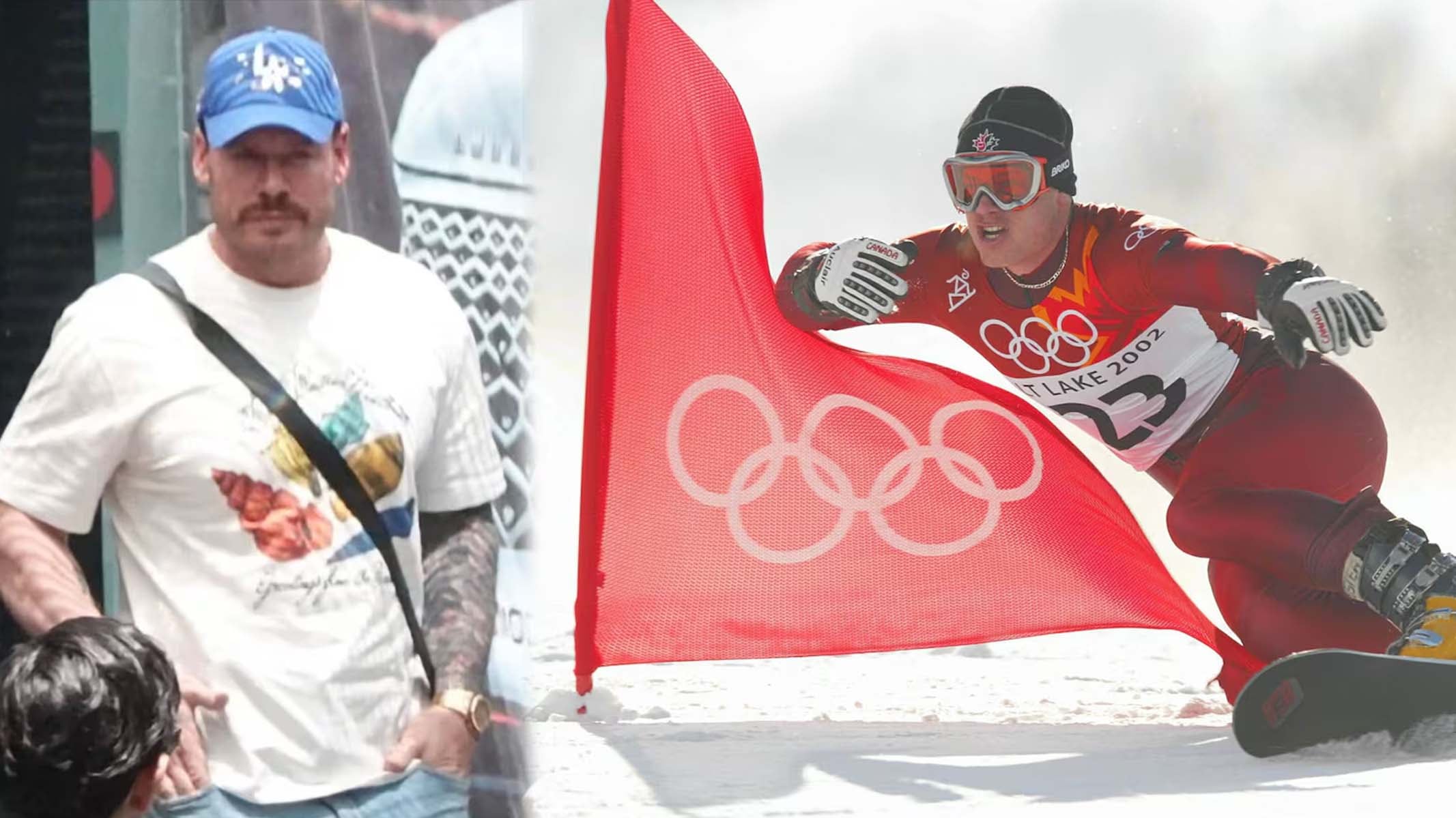
Olympian turned accused drug trafficker Ryan Wedding was allegedly charged a US$500,000 initiation fee and an average of US$100,000 per month for access to sensitive law-enforcement information and a network of organized crime leaders, newly unsealed documents allege.
The allegations, some of which are detailed in a news release, are part of a pair of federal indictments detailing how criminal figures in Mexico allegedly helped Wedding operate a multibillion-dollar drug trafficking enterprise and evade authorities before his arrest earlier this year.
- How to set CP24 as your preferred source on Google
- How to set CTV News as your preferred source on Google
One indictment names an individual by the name of Edgar Aaron Vazquez Alvarado, also known as “El General” and “Mini.” Prosecutors say Alvarado was a founder and leader of El Cártel Nuevo Imperio.
Investigators say he was shot and killed by Mexican police last week.
According to the court documents, Vazquez provided members of Wedding’s organization with near-daily rotating code words that cocaine traffickers could use when communicating with Mexican police and military personnel at checkpoints, allowing shipments to pass through without being intercepted.

In an indictment unsealed this week, investigators say Wedding allegedly obtained sensitive, non-public law-enforcement information, including details about active investigations, planned arrests, search warrants and outstanding warrants in Mexico and the United States.
Prosecutors say Vazquez used those connections to help Wedding and his associates avoid arrest and prosecution. He also allegedly paid Mexican public officials to “slow down criminal investigations, dispose of and manipulate inculpatory evidence, and dismiss criminal charges against them.”
US$500,000 initiation fee
The documents allege Wedding was charged a one-time initiation fee of approximately US$500,000, followed by an average monthly fee of approximately US$100,000 to access the network. Additional fees were allegedly charged for sensitive law-enforcement information.
A separate six-count indictment names 51-year-old Roberto Gomez, a “reputed 38th Street gang member and fugitive living in Mexico.”
Gomez, who also used the aliases “Rob Flores,” “Fat Boy,” “Fats” and “Rooster,” is accused of obtaining sensitive information from individuals with access to Mexican and U.S. law-enforcement agencies and passing it to his associates, including Wedding.
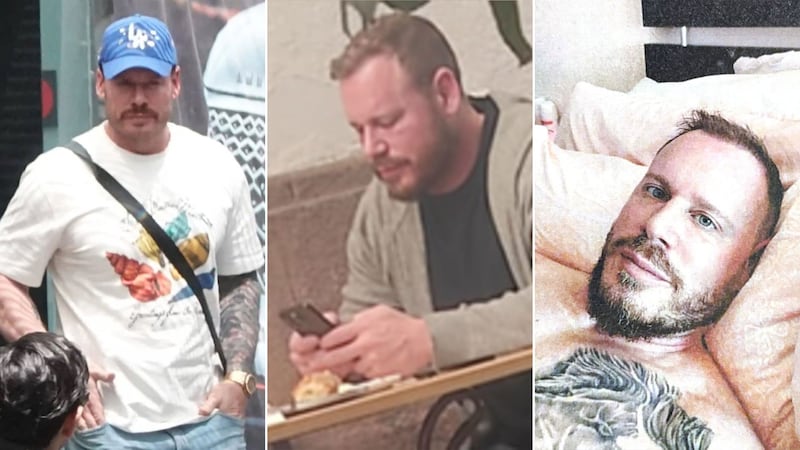
The information allegedly included details about arrests, drug seizures, warrant executions and criminal charges.
Prosecutors allege Gomez acted as an “intermediate supplier” of cocaine, methamphetamine and fentanyl to multiple transnational criminal organizations, including Wedding’s.
Between October 2024 and January 2026, police say Gomez allegedly helped Wedding avoid apprehension by U.S. authorities. He is also accused of attempting to broker a deal involving approximately 1,000 pounds of methamphetamine for about $550,000 in cryptocurrency.
The documents illustrate how Wedding’s alleged organization used boats and aircraft to transport hundreds of kilograms of cocaine at a time from Colombia to Mexico before moving the drugs by truck across the U.S.-Mexico and Canada-U.S. borders.
Wedding, a former Canadian Olympic snowboarder, was arrested in Mexico in January this year, after being placed on the FBI’s Ten Most Wanted Fugitives list. U.S. authorities have accused him of leading a violent international drug trafficking organization and ordering several murders.
The charges against him have not been tested in court.
Gomez faces a mandatory minimum sentence of 10 years in federal prison and a possible maximum sentence of life imprisonment if convicted on all charges.

